2026 How to Use Barrier Bags for Effective Storage and Preservation?
Barrier bags are essential for effective storage and preservation. They create a protective barrier against moisture, gases, and light. Using these bags can significantly extend the shelf life of various items.
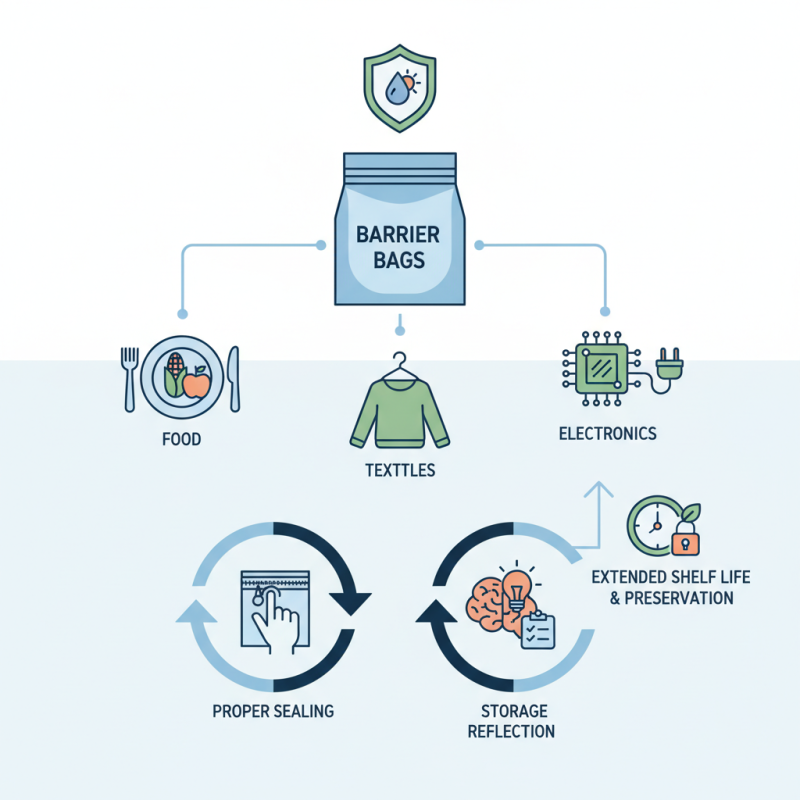
When you store food, for instance, barrier bags keep it fresh. They help to prevent spoilage and maintain quality over time. These bags are not just for food; they work for textiles and electronics too. Imagine storing your favorite winter clothing. The barrier bags will protect them from dust and moisture.
However, it's crucial to use barrier bags correctly. Many people overlook the importance of sealing them properly. An improperly sealed bag may lead to unwanted exposure, compromising the stored items. Reflecting on your storage practices is vital. Even with the right bags, poor habits can undermine your efforts. Consider your storage methods and make adjustments to truly benefit from barrier bags.
Understanding Barrier Bags: What They Are and How They Work
Barrier bags are specialized storage solutions designed to protect your items from outside elements. They are made of materials that prevent moisture, air, and light from reaching the contents inside. This makes them ideal for storing food, textiles, and electronics. Understanding how these bags function can enhance your storage practices.
These bags use multi-layer technology. Each layer plays a role in blocking out different elements. For instance, some layers resist moisture while others keep oxygen at bay. This process helps in preserving the quality and lifespan of the contents. When properly used, barrier bags can significantly reduce spoilage and maintain freshness.
Tips: Always check for punctures before sealing the bags. Even tiny holes can compromise effectiveness. Use a vacuum sealer for a tighter fit. This removes more air and helps create a better seal. Store bags in a cool, dry place to maximize their functionality. Be mindful of storage times; even barrier bags have limits. Reflect on your storage habits often to improve your methods.
Benefits of Using Barrier Bags for Storage and Preservation
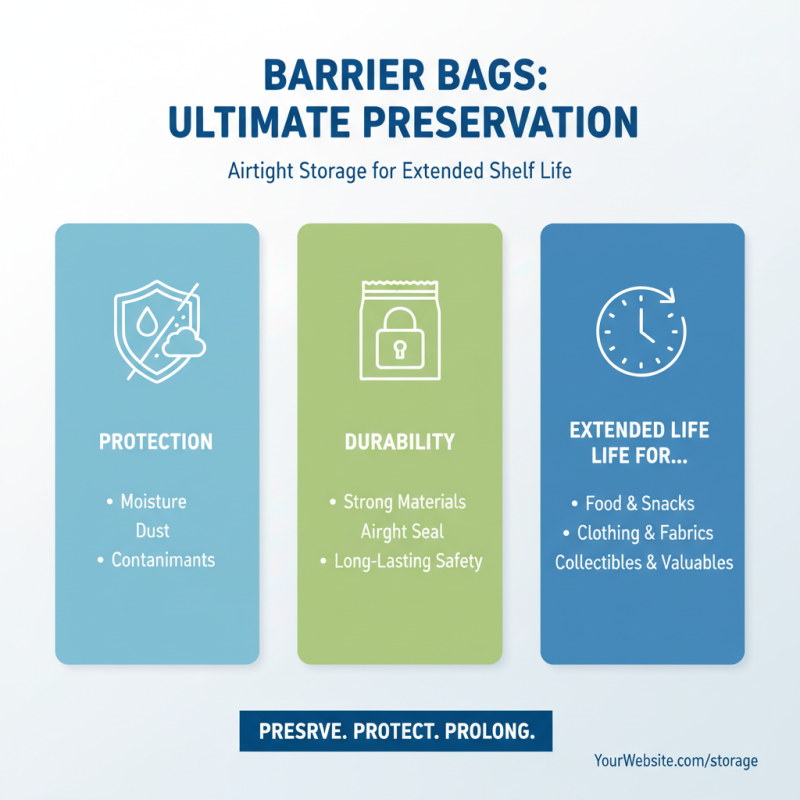
Barrier bags are excellent tools for effective storage and preservation. They provide an airtight environment. This helps protect your items from moisture, dust, and other contaminants. The bags are made from durable materials, which ensures your items are safe for a long time. Using these bags can extend the life of food, clothing, and collectibles significantly.
When using barrier bags, consider the type of items you are storing. For food, ensure it is dry before sealing it in the bag. Use a vacuum sealer for better results. This method prevents freezer burn and keeps your food fresh longer. For clothing, fold items neatly to maximize space. This will help you fit more in each bag.
Tips to remember: store bags in a cool, dry place. Avoid exposure to sunlight, as this can degrade the material. Regularly check the bags for any signs of wear or damage. Finally, label each bag. This simple step saves time when retrieving items later. Using barrier bags can simplify your storage solutions, making them a smart choice for preserving various items.
Step-by-Step Guide to Properly Using Barrier Bags
Barrier bags are essential for effective storage and preservation. They provide a protective environment that keeps moisture, air, and light out. A recent industry report indicates that improper storage can lead to a 30% loss in food quality over time. Using barrier bags correctly can help you avoid this waste.
Start by selecting the right size of barrier bag for your items. Make sure the bag fits snugly, minimizing air space. For vacuum sealing, ensure the bag is compatible with your machine. Remember, if the bag is too large, it can trap air and cause spoilage. After sealing, check for any punctures or leaks. These can compromise the bag's effectiveness.
**Tip:** Label each bag clearly with the contents and date. This simple step can save you time and eliminate confusion later. Regularly inspect your stored items for signs of spoilage. If you notice any issues, rethink your storage methods or materials used. Reflect on your setup. Are certain foods degrading faster than others? Adjust your approach accordingly. Barrier bags can be a game-changer, but they require careful use.
2026 Storage Efficiency Comparison Using Barrier Bags
This chart displays the effectiveness of barrier bags in preserving various food categories in storage. The percentage represents the efficiency of preservation achieved using barrier bags. As shown, vegetables and fruits show the highest effectiveness, making barrier bags a great choice for extending the shelf life of these items.
Common Mistakes to Avoid When Storing Items in Barrier Bags
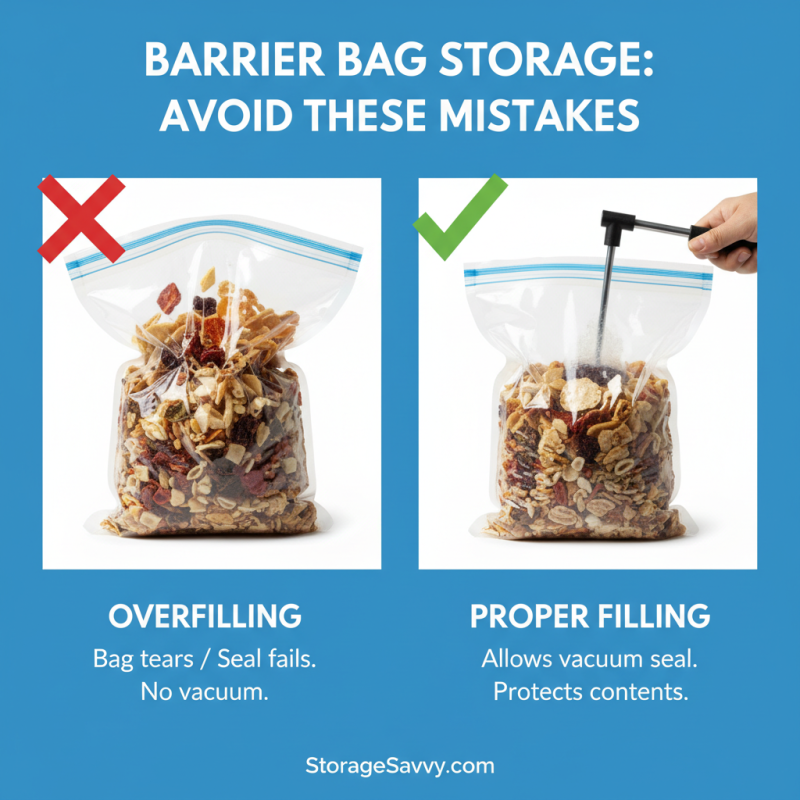
When using barrier bags for storage, common mistakes can undermine their effectiveness. One frequent error is overfilling the bags. This can lead to the bags tearing or zippers not sealing properly. Ensure there is enough space for air to be removed, which helps create a vacuum seal.
Another mistake is neglecting to clean items before storing them. Dust, moisture, or food residues can foster mold and deterioration. Always wipe down your belongings to prevent these issues. Additionally, using barrier bags in incorrect temperature conditions can be detrimental. Store them in a cool, dry place to maintain optimal performance.
Finally, it’s essential to label your barrier bags. Without clear labels, you might forget what's inside. This oversight can lead to opening multiple bags unnecessarily. Such practices might make organization chaotic and counterproductive. It’s helpful to regularly evaluate your storage methods for improvement and effectiveness.
Best Practices for Maintaining the Integrity of Barrier Bags
Barrier bags are essential for effective storage and preservation. To maintain their integrity, proper handling is key. Clean your hands before touching the bags. Any residue can contaminate the contents. Make sure to keep the workspace clutter-free.
Temperature control matters too. Store barrier bags in a cool, dry place. Humidity can weaken the material over time. Avoid exposure to direct sunlight. Folded bags or those with creases may not seal properly. Check for punctures or defects before use, as these can compromise their effectiveness.
Consider the contents you are storing. Organic materials may require a different approach. Always label bags clearly. This helps avoid confusion and ensures everything is stored correctly. Reflect on how easy it is to overlook small details that can lead to bigger problems later on.
2026 How to Use Barrier Bags for Effective Storage and Preservation? - Best Practices for Maintaining the Integrity of Barrier Bags
| Dimension |
Best Practices |
Recommended Materials |
Storage Conditions |
| Vacuum Sealing |
Ensure the bag is properly sealed without air pockets. |
Multi-layer barrier bags |
Cool, dry place away from sunlight |
| Moisture Control |
Include desiccant packets if storing moisture-sensitive items. |
Mylar bags |
Humidity below 50% |
| Temperature Sensitivity |
Store within specified temperature ranges to avoid material degradation. |
PE and PA bags |
Stable temperature environment |
| UV Protection |
Use opaque or UV-resistant bags for light-sensitive items. |
Opaque barrier bags |
Dark storage area |
| Chemical Resistance |
Select bags that can withstand the chemicals of stored items. |
Chemically resistant barrier bags |
Controlled environment |