Top Packing Packages for Your Shipping Needs and Best Practices?
When it comes to shipping, choosing the right Packing Packages is crucial. These packages protect your items and ensure they arrive in perfect condition. A well-selected packing solution can save costs and enhance customer satisfaction. There are many options available, from boxes to bubble mailers, each with unique benefits.
You might wonder what works best for your needs. It's essential to assess the items you ship regularly. Are they fragile, heavy, or oddly shaped? Identifying these factors will help you choose the ideal Packing Packages. Additionally, consider the environmental impact of your choices. Sustainable materials are becoming increasingly important in today’s market.
Keep in mind that the wrong packing can lead to damaged goods and unhappy customers. It's not just about aesthetics; functionality matters. Yet, many still make choices without proper reflection. The best practices in packaging require careful thought. The goal is to create a balance between cost, protection, and sustainability.

Top Packing Materials for Different Types of Goods
When choosing packing materials, the type of goods matters greatly. For fragile items like ceramics or glass, bubble wrap is essential. It cushions and absorbs shock effectively. Cardboard boxes should be sturdy and snug to prevent any movement. Packing peanuts can fill voids but may spill during shipping. These materials help protect delicate goods, yet they often end up littering the environment.
For clothing and textiles, poly mailers are popular. They are lightweight and waterproof, reducing shipping costs. However, they may not provide enough protection for heavy or bulky items. In those cases, using padded envelopes or sturdy boxes is wiser. Custom-sized boxes can minimize movement and provide better overall security. Still, not everyone considers the environmental impact of packaging materials.
Electronics require special attention. Anti-static bags are crucial for sensitive components. These bags prevent static electricity from causing damage. Surrounding these items with foam inserts can enhance protection. However, the complexity of packing can lead to mistakes. It’s easy to overlook details in a rush, which can result in lost or damaged goods during transit.
Choosing the Right Size and Shape for Your Package
Choosing the right size and shape for your package can greatly affect shipping efficiency. A report from the Packaging Institute indicates that 30% of shipments are delayed due to incorrect packaging. Using the correct dimensions can help avoid extra costs and improve customer satisfaction.
Many businesses underestimate the importance of packaging. For instance, oversized packages can lead to increased shipping fees. According to the Council of Supply Chain Management Professionals, oversized items can cost up to 50% more to ship than properly sized packages. Ensure that your packages fit snugly around the product. This minimizes movement and reduces the risk of damage during transit.
In addition, consider the shape of your package. Unconventional shapes may not stack well on pallets or in delivery vehicles. A study by the Fractal Group highlighted that irregularly shaped packages can lead to a 20% increase in shipping time. Aim for standard shapes that easily nest and stack. This helps streamline logistics and can improve delivery speed. Reflect on your packaging choices regularly to find opportunities for improvement.
Top Packing Packages for Your Shipping Needs and Best Practices
| Package Type |
Dimensions (inches) |
Weight Limit (lbs) |
Recommended Use |
| Flat Rate Box |
12 x 9.5 x 5.5 |
70 |
Documents, Small Items |
| Padded Envelope |
10 x 13 |
1 |
Fragile Items, Prints |
| Medium Box |
14 x 10 x 10 |
30 |
Clothes, Toys |
| Large Box |
18 x 18 x 24 |
50 |
Home Goods, Electronics |
| Tote Bag |
20 x 15 x 9 |
30 |
Food Items, Gifts |
Essential Tools for Effective Packing and Sealing
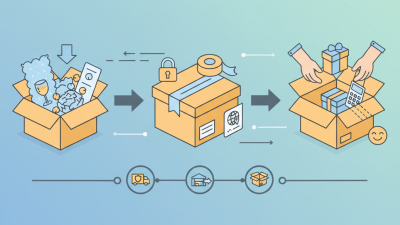
Effective packing and sealing are essential for successful shipping. Studies show that nearly 20% of packages are damaged in transit due to inadequate packing (Friedman, 2021). Using the right tools can significantly reduce this risk. Quality packing tape, bubble wrap, and cushioning materials ensure your items arrive safely.
When sealing packages, consider these tips: Always use a tape dispenser for clean application. Reinforce seams and corners. Use at least two inches of tape over all edges. For fragile items, double wrap and label them clearly. This helps prevent mishaps and ensures proper handling by carriers.
Not every package is easy to seal. Some shapes and sizes pose challenges. A common oversight is using improper materials. Corrugated boxes offer better protection than flat ones. Invest in a range of box sizes. This flexibility can save you time and money. Keep in mind that not every packaging method will suit every shipment. It's important to analyze your specific needs.
Best Practices for Labeling and Tracking Shipments
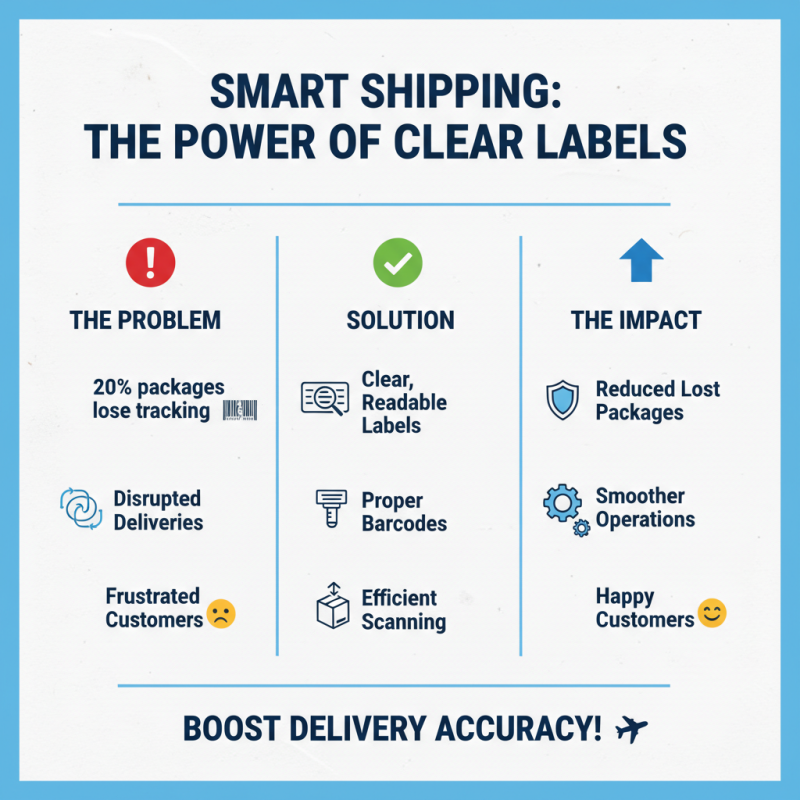
Effective labeling and tracking are crucial in shipping. Studies show that more than 20% of packages suffer from lost tracking information. This disrupts delivery processes and frustrates customers. Clear labeling can reduce these issues significantly. Proper labels with barcodes help systems scan packages efficiently. This simple step can enhance overall delivery accuracy.
Tracking systems are vital for real-time updates. According to data, 75% of consumers expect tracking capabilities for their shipments. Without proper implementation, customers often feel anxious. An overwhelming 30% might choose competitors who offer better tracking options. Using digital platforms for tracking can streamline this process. Automation minimizes human error and saves time. However, many businesses still rely on outdated methods, leaving room for improvement.
Attention to detail in labeling and tracking is non-negotiable. Misplaced or unclear labels can lead to misdeliveries. In fact, nearly 10% of all shipping delays stem from such issues. Regular audits of labeling practices could reveal gaps. Addressing these could significantly enhance customer satisfaction. Continuous improvement in these areas should be a priority for businesses aiming to meet consumer expectations.
Sustainable Packing Solutions for Eco-Friendly Shipping
Sustainable packing solutions have gained immense importance in the shipping industry. Approximately 27% of the world’s natural resources are used for packaging purposes (Smithers Pira, 2021). This statistic emphasizes the urgent need for eco-friendly alternatives. Businesses should consider options made from recycled materials. Using biodegradable packing peanuts or kraft paper can significantly reduce waste.
Many companies still rely heavily on plastic. This contributes to pollution and environmental degradation. A recent study reported that over 300 million tons of plastic are produced annually, and only a fraction is recycled (National Geographic, 2022). This is a critical reminder for businesses to rethink their packaging strategies and adopt sustainable solutions. Choosing plant-based or compostable materials can drastically lessen their environmental impact.
Yet, sustainable packaging is not without its challenges. Some materials may be more expensive or may not offer the same protective qualities as traditional options. It's essential for companies to balance cost with sustainability. Not all eco-friendly materials meet durability standards. Continuous innovation is a must in the industry to ensure these solutions are both effective and sustainable.