Top 10 Liquid Bags Buyers Need to Know for Global Sourcing?
In the dynamic landscape of global sourcing, understanding Liquid Bags has become essential for buyers. These versatile products serve various industries, from food packaging to medical supplies. As sustainability and efficiency gain importance, choosing the right Liquid Bags can enhance business operations and reduce environmental impact.
Navigating the complexities of suppliers and materials is challenging. Buyers need to recognize quality, compatibility, and compliance with industry standards. Not all Liquid Bags are created equal. Some may not meet stringent safety regulations, leading to potential risks. Therefore, informed decision-making is crucial.
Moreover, trends in Liquid Bags are shifting. Innovations in biodegradable materials and reusable designs are on the rise. Buyers must keep an eye on these developments to stay competitive. Ultimately, understanding the top Liquid Bags options is not just about selection; it's about strategic sourcing that aligns with long-term goals. This creates opportunities for both cost savings and enhanced brand reputation.
Understanding the Types of Liquid Bags Available in the Market
Liquid bags serve various purposes across industries. Understanding the types available can aid buyers in making informed decisions. The global liquid bags market is projected to reach $5.4 billion by 2025, according to industry reports. This growth highlights the increasing demand for flexible packaging solutions.
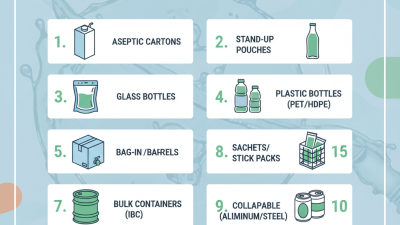
There are several types of liquid bags. Stand-up pouches are popular for their ease of use and storage efficiency. They typically hold 1 to 5 gallons of liquid. Another common type is the bag-in-box system, ideal for bulk storage. This system allows for convenient dispensing and minimizes contamination risks. According to a recent study, the bag-in-box segment is expected to account for nearly 30% of the market share by 2024.
Some challenges persist in liquid bag sourcing. Not all suppliers offer the same quality standards. This inconsistency can lead to product leakage or degradation. Buyers should conduct thorough evaluations to ensure compliance with industry regulations and safety standards. Reliable test data from materials is essential. Making informed choices can help avoid potential pitfalls in the sourcing process.
Key Factors to Consider When Sourcing Liquid Bags Globally
When sourcing liquid bags globally, several key factors come into play. Quality is paramount. Ensure the bags are durable and resistant to leaks. Consider the materials used for production. High-quality materials can significantly enhance the lifespan of the bags. Choose suppliers who provide certifications for their products, reflecting adherence to international standards.
Pricing strategies can also impact your sourcing decision. Compare costs across different suppliers but be cautious of unusually low prices. They might indicate compromised quality. Do your due diligence by reading reviews or seeking references. Communication with potential suppliers is crucial. Clear dialogue can prevent misunderstandings and streamline the procurement process.
It can be beneficial to ask for sample products. Testing the bags in real-world conditions can provide critical insights. Keep in mind that sourcing from different regions may introduce challenges, such as varying regulations or shipping times. Thorough research is necessary to navigate these hurdles effectively. Always be prepared to adapt based on feedback and results.
Top Manufacturers and Suppliers of Liquid Bags Worldwide
Liquid bags are essential for various industries, providing safe and efficient ways to store and transport liquids. When sourcing these bags, it’s crucial to understand the different types available. They can range from flexible pouches to bulk containers. Each type serves specific purposes, emphasizing the need for careful selection based on your requirements.
Attending industry trade shows can be beneficial. These events showcase numerous manufacturers and suppliers. You can connect directly with producers, fostering relationships that may lead to better sourcing deals. Consider requesting samples before finalizing orders. This ensures the product meets your standards.
Finding reliable suppliers requires diligence. Research their reputation in the market. Look for reviews and testimonials from past customers. Engage in discussions about their production processes and quality control measures. This practice helps in identifying trustworthy partners. Be wary of low-cost options that may compromise quality. Sourcing should balance cost against quality, ensuring the final product is both effective and reliable.
Assessing Quality Standards and Certifications for Liquid Bags
When sourcing liquid bags globally, understanding quality standards and certifications is crucial. A report by Smithers Pira notes that the flexible packaging market is projected to grow at a CAGR of 4.4% from 2020 to 2025. This growth emphasizes the need for reliable quality assessments.
Many manufacturers focus on ISO certifications, such as ISO 9001 for quality management systems. This standard ensures consistent quality in the production process. However, not all manufacturers may maintain these standards. Some might overlook proper training for their employees or fail to conduct regular audits. Such oversights can lead to quality variances.
Material safety is another vital aspect. Bags made from BPA-free plastics are increasingly in demand. In 2021, 35% of buyers preferred these materials due to health concerns. Yet, manufacturers sometimes use low-cost alternatives, compromising safety. It's essential to verify compliance with regulations like FDA standards for food safety.
Check for third-party testing results. Reliable manufacturers often have their products assessed by independent labs. This provides an objective view of quality and safety. Always request documentation, as not all suppliers will voluntarily share this information.
Best Practices for Importing Liquid Bags: Regulations and Logistics
When sourcing liquid bags globally, understanding regulations and logistics is crucial. The liquid packaging market is expected to grow significantly, projected to reach $80 billion by 2026. This growth calls for a keen awareness of compliance standards in various regions. Most countries have regulations that dictate materials, labeling, and safety protocols. Importers must ensure that liquid bags meet these criteria to avoid costly delays and fines.
Proper logistics planning is essential. Efficient transport options can reduce costs and time. For instance, selecting the right shipping method—air freight versus sea freight—depends on urgency and product nature. Data indicates that sea freight is often 60% cheaper than air. However, it can take longer and may require additional handling.
Communication with suppliers is also vital. Clear expectations regarding quality and delivery timelines can help prevent misunderstandings. Establishing relationships with reliable logistics partners can mitigate risks. Companies can leverage technology for real-time tracking and inventory management as well.
It’s important to regularly reassess these practices. Market conditions and regulations can shift, leading to potential compliance risks. Keeping abreast of industry trends and standards is vital for a successful procurement strategy.