China Top 10 Innovative Drinks Packaging Solutions for Global Buyers
In the fast-evolving landscape of global beverages, innovative drinks packaging is becoming crucial for brands. Experts highlight how effective packaging can capture consumer attention and enhance product appeal. "Great packaging should tell a story," says Emily Chen, a leading authority in the drinks packaging industry. This insight emphasizes the significance of creativity and functionality in design.
China is at the forefront of these innovations. The nation is home to groundbreaking solutions that cater to diverse market needs. From eco-friendly materials to interactive designs, Chinese companies are reshaping the drinks packaging sector. Each new approach seeks to balance sustainability with consumer engagement.
However, not all innovations meet expectations. Some designs may prioritize aesthetics over practicality. This can lead to frustrations for both producers and consumers. As we explore the top ten innovative drinks packaging solutions from China, it's essential to reflect on both their strengths and their shortcomings. This journey reveals not just advancements, but also opportunities for improvement in the world of drinks packaging.
Overview of China's Innovative Drinks Packaging Market
China's innovative drinks packaging market is rapidly evolving. New technologies and sustainable materials are shaping this landscape. According to a recent report by the China Packaging Federation, the market size for beverage packaging is projected to reach 320 billion yuan by 2025, growing at a CAGR of 6.5%. This growth is driven by increasing consumer demand for eco-friendly options and unique designs.
One innovative trend is the use of biodegradable materials. Companies are experimenting with plant-based plastics and recycled paper products. These choices reduce environmental impact. Research indicates that over 40% of consumers are willing to pay more for sustainable packaging. However, challenges remain. The production costs of these materials can be higher than traditional options, which may deter some producers.
Another notable development is smart packaging. Features like QR codes and augmented reality enhance consumer interaction. This technology boosts product visibility and brand loyalty. A study found that brands incorporating smart packaging see a 25% increase in engagement. Yet, integration can be complex, requiring investment and expertise. The balance between innovation and cost-effectiveness remains a crucial area for reflection in this dynamic market.
Key Trends Driving Innovation in Beverage Packaging Solutions
The beverage packaging industry is experiencing dynamic changes driven by consumer preferences and sustainability goals. Recent data suggests that 85% of consumers are more likely to choose brands with eco-friendly packaging. This trend compels manufacturers to explore innovative materials such as biodegradable plastics and recycled content. For instance, some companies are experimenting with plant-based polymers, which promise both reduced environmental impact and functional versatility.
Moreover, the rise in e-commerce has reshaped packaging designs to improve convenience and efficiency. A report indicates that 40% of beverages purchased online were returned due to inadequate packaging. This highlights the need for more robust protective solutions that minimize product loss during transit. Lightweight materials and compact designs are becoming essential, allowing for better shipping efficiency and reduced carbon footprints.
Another vital trend is personalization in packaging. Consumers now seek unique experiences, and brands are responding with customizable labels and designs. Studies reveal that personalized packaging can boost customer engagement by up to 30%. However, this approach raises concerns about scalability and cost-effectiveness for many producers. Balancing innovation with practical applicability remains a significant challenge within the industry.
Top 10 Innovative Drinks Packaging Solutions
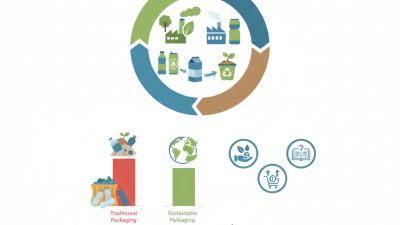
This chart illustrates the key trends driving innovation in beverage packaging solutions, highlighting the rise of eco-friendly materials, convenience features, and smart packaging technologies.
Top 10 Innovative Drink Packaging Designs from China
The beverage packaging industry is rapidly evolving, driven by consumer demand for sustainability and innovation. Recent reports indicate that the global beverage packaging market is expected to reach USD 500 billion by 2026. China's innovative drink packaging solutions are leading this trend, blending functionality with cutting-edge design. A focus on eco-friendly materials and smart packaging technologies reflects a growing awareness of environmental impact.
One standout design utilizes biodegradable materials, significantly reducing waste. A recent study found that 67% of consumers prefer products with sustainable packaging. Innovative shapes and multifunctional features also attract attention. For instance, some packages can transform into serving glasses or even resealable containers. This versatility caters to the modern, on-the-go lifestyle while enhancing user experience.
Tips: Always analyze market trends before making packaging decisions. Engaging with your target audience for feedback can lead to better designs. Testing prototypes prior to full production can prevent costly errors in the long run. Remember, consumer preferences can shift, but sustainability remains a constant priority.
Sustainable Practices in Chinese Beverage Packaging Innovations
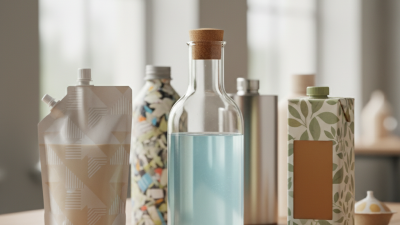
Innovative beverage packaging in China is increasingly emphasizing sustainability. Many companies are exploring eco-friendly materials. These materials reduce environmental impact and enhance product appeal. For instance, biodegradable plastics are gaining traction. They break down more easily than traditional plastics.
Some designs incorporate recycled materials, showcasing a commitment to circular economy principles. Customers are eco-conscious, and brands respond accordingly. However, not all solutions are perfect. Some biodegradable options still require specific conditions to decompose effectively. This can lead to confusion for consumers.
Innovative designs often embrace minimalist aesthetics, reducing excess material usage. The goal is a balance between functionality and sustainability. Yet, this can sometimes result in less durable packaging. Brands must continually adapt and learn. Sustainable practices in beverage packaging is an evolving journey, requiring ongoing innovation and reflection.
Future Prospects for China's Drinks Packaging in the Global Market
The global market for drinks packaging is continuously evolving. China's innovative approaches present exciting opportunities. As consumers demand sustainability, brands are shifting towards eco-friendly materials. This trend is reshaping product offerings worldwide.
Tips for brands: Experiment with biodegradable options. Explore unique designs that enhance user experience. Simple changes can lead to significant impacts. Innovation is key, but it often comes with challenges. Balancing cost and sustainability can be tricky. Brands must assess their priorities carefully.
Adapting to global preferences requires deep market understanding. Cultural differences shape packaging choices. What works domestically may not resonate abroad. Flexibility and creativity are essential for success. Companies should listen to customer feedback and be willing to improve. It's a journey, not a sprint. Embrace the learning process for better outcomes.