How to Pack Packages for Safe Shipping and Easy Unpacking
Packing packages for safe shipping and easy unpacking is an essential skill that can significantly impact the overall shipping experience. Whether you're a small business owner sending out products or an individual shipping gifts to loved ones, understanding the right techniques and materials for packing packages can prevent damage during transit and ensure items arrive in perfect condition. Effective packing not only safeguards contents but also facilitates a smoother unpacking process, enhancing customer satisfaction or making it easier for recipients to enjoy their packages.
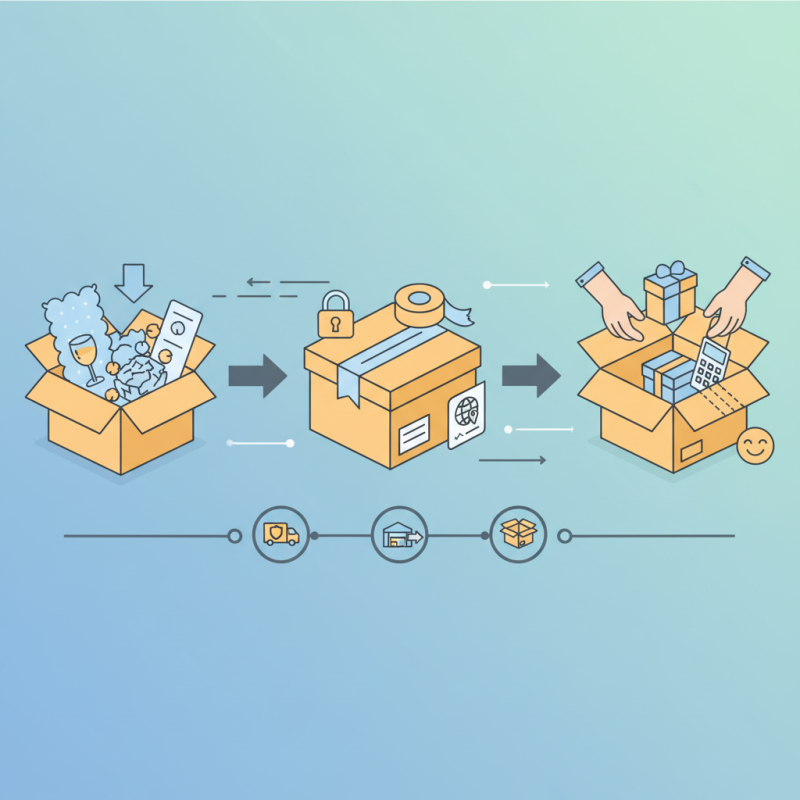
In this guide, we will explore the fundamental principles of packing packages efficiently. We will discuss the importance of choosing appropriate packing materials, the correct methods for securing items within the package, and tips for labeling and sealing to ensure transparency and safety throughout the shipping journey. By following these guidelines, you will become adept at ensuring your packages withstand the rigors of transportation, while also simplifying the unpacking experience for the recipients. Embrace the art of packing packages, and elevate your shipping process to new heights.
Understanding Packaging Materials: Types and Their Impact on Shipping
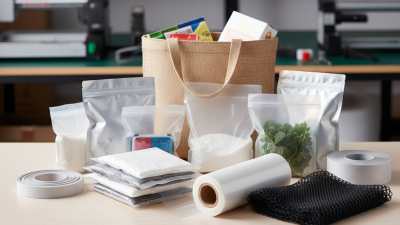
When it comes to shipping, the choice of packaging materials can significantly impact not only the safety of the items being sent but also the efficiency of the unpacking process. According to a report by Smithers Pira, the global protective packaging market is expected to reach $43.5 billion by 2024, which reflects an increasing recognition of the importance of adequate packaging materials. This growth can be attributed to the rising demand for cost-effective, sustainable, and innovative packaging solutions. Selecting the right materials—such as corrugated boxes, bubble wrap, or biodegradable packing peanuts—ensures that items are shielded from potential damage during transit.
Different materials can also influence the ease of unpacking. For instance, using tear-resistant packaging can facilitate a quicker opening process, reducing frustration for recipients. Furthermore, sustainable materials such as recycled cardboard or compostable wrapping not only cater to environmentally conscious consumers but also enhance the overall user experience by providing a hassle-free disposal option post-unpacking. The International Journal of Environmental Research and Public Health notes that consumers are increasingly favoring brands that prioritize eco-friendly practices, hinting at the need for shippers to adapt their packaging strategies to remain competitive in the market. Thus, understanding the types of packaging materials available and their respective impacts is crucial for ensuring safe shipping and a user-friendly unpacking experience.
Impact of Packaging Materials on Shipping Safety
Essential Packing Techniques for Damage Prevention During Transit
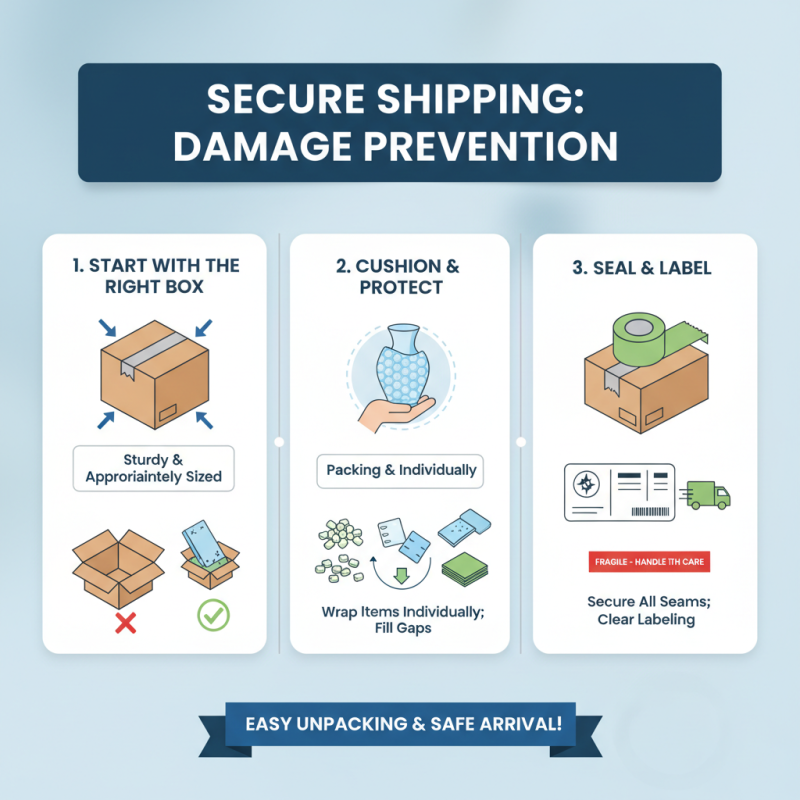
When it comes to shipping packages, ensuring damage prevention during transit is crucial. Proper packing techniques not only protect your items but also facilitate easy unpacking upon arrival. Start with a sturdy box that can withstand the rigors of transportation. Make sure to use the right size—too large a box can lead to items shifting during transit, while a box that's too small might not provide adequate protection.
**Tips:** Always line the bottom of the box with cushioning material, such as bubble wrap or packing peanuts, to absorb shocks. Wrap each item individually to provide additional protection. For fragile items, consider using double boxing techniques where you place the original product box inside a larger box filled with cushioning. This extra layer of protection can significantly reduce the risk of damage.
Furthermore, securing your items properly is essential. Fill any empty spaces within the box with more cushioning material to prevent movement. Sealing the box securely with high-quality packing tape on all seams will keep it intact during handling. Marking the box as "Fragile" can also alert handlers to take extra care, although proper packing should safeguard against mismanagement.
Calculating Package Weight and Dimensions for Cost-Effective Shipping
When preparing packages for shipping, one of the most crucial elements to consider is accurately calculating the weight and dimensions. This not only affects the shipping cost but also ensures your package meets the carrier guidelines.
To determine the weight, use a reliable scale, and for dimensions, measure the length, width, and height of the package. Remember that many shipping services have size limits, so be mindful of these when packaging your items.
Tips: Always round your measurements to the nearest inch and weigh the package in its final form, including packing materials. If you are shipping multiple items, opting for a single box rather than separate packages can often lead to cost savings.
By calculating the dimensions properly, you can also take advantage of dimensional weight pricing, which some carriers use. This method considers both the weight and size of the package, potentially saving money if your package is lightweight but bulky. Ensure that your box is not excessively large, as shipping costs can escalate quickly.
Tips: Use a shipping calculator available on most carrier websites to get estimates based on your package’s dimensions and weight. This tool can provide a better understanding of potential costs before you finalize your shipping choice.
Leveraging Void Fill Solutions to Minimize Package Movement
When preparing packages for shipping, one of the most crucial aspects to consider is minimizing package movement during transit. Utilizing void fill solutions plays a key role in ensuring that items are secured and protected from potential damage. Void fills—such as bubble wrap, foam peanuts, and air pillows—create a buffer between the contents and the walls of the package, absorbing shocks and reducing the impact of vibrations and shifting that can occur while in transit. By filling empty spaces within the box, these materials help maintain the integrity of the product inside, keeping it stable and less prone to breaking.
In addition to protecting items from physical damage, void fill solutions also facilitate easy unpacking for the recipient. A well-packed box not only secures the contents but allows for straightforward retrieval upon arrival. When using void fill that is easy to remove and dispose of, recipients can efficiently access their products without the struggle of dealing with cumbersome packing materials. This approach not only improves the unboxing experience but also promotes sustainability if eco-friendly fill options are utilized. By choosing the right void fill solutions, shippers can enhance both the safety and convenience of their packages, ultimately leading to higher customer satisfaction.
How to Pack Packages for Safe Shipping and Easy Unpacking - Leveraging Void Fill Solutions to Minimize Package Movement
| Packaging Material |
Void Fill Solution |
Benefits |
Recommended Use Cases |
| Bubble Wrap |
Air-filled cushioning |
Excellent shock absorption |
Fragile items, electronics |
| Packing Peanuts |
Loose fill material |
Lightweight and cost-effective |
Oddly shaped items, lightweight goods |
| Foam Sheets |
Pre-cut foam pieces |
Good rigidity and impact resistance |
Heavy, fragile items |
| Kraft Paper |
Crumbled or rolled |
Eco-friendly option |
General shipping, books |
| Inflatable Air Pillows |
Inflatable cushioning |
Space-efficient and reusable |
Small to medium items |
Best Practices for Labeling Packages for Smooth Unpacking Experiences
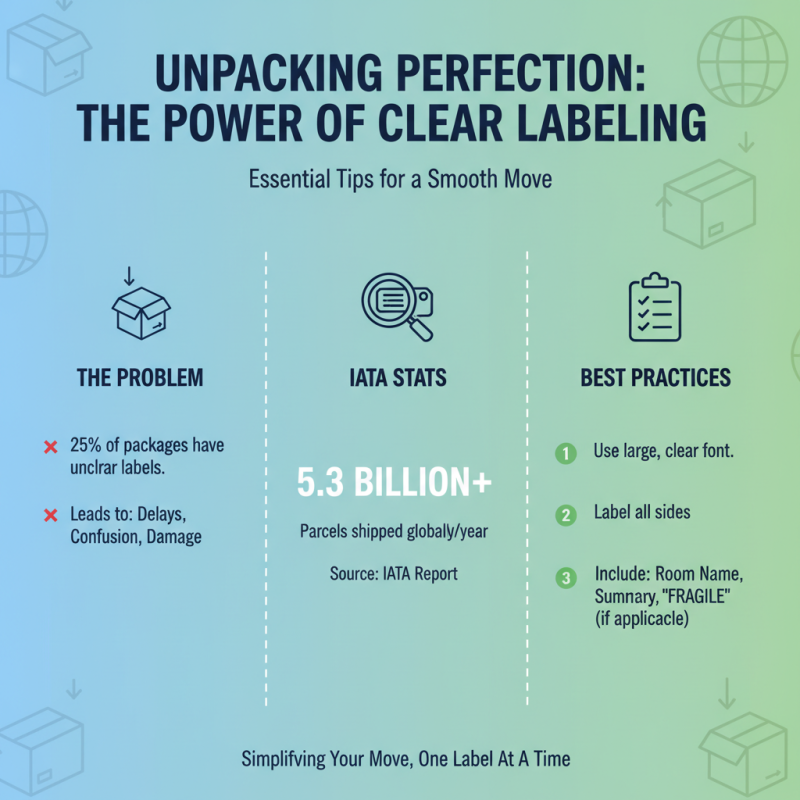
When it comes to ensuring a smooth unpacking experience, the importance of clear and effective labeling cannot be overstated. According to a report by the International Air Transport Association (IATA), over 5.3 billion parcels are shipped globally each year, with approximately 25% of these packages arriving at their destinations with insufficient or unclear labeling. This can lead to delays, confusion, and even damaged goods. To avoid these pitfalls, it's essential to incorporate best practices in labeling your packages.
Tip: Always use bold, legible fonts for labels, as this can significantly reduce errors in reading shipping information. Research indicates that packages with properly sized text and label contrasts can improve readability by up to 40%, streamlining the unpacking process. Furthermore, incorporating tracking barcodes can enhance efficiency for both the shipper and the recipient.
Additionally, it’s vital to ensure that the labels include essential information such as the sender’s and recipient’s addresses, contact numbers, and any special handling instructions. The Packaging Institute found that nearly 30% of shipping issues stem from missing or incorrect shipment details. By doubling down on accuracy and detail in labeling, you not only promote hassle-free unpacking but also contribute to the overall safety and integrity of your packages during transit.