What is Nylon Packaging and How Does it Benefit Your Products?
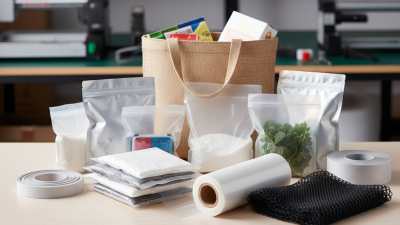
Nylon packaging is an emerging trend in the packaging industry. This material offers flexibility and durability, making it ideal for various applications. Recent studies show the global nylon packaging market is projected to reach $4 billion by 2025, driven by increasing demand in food, pharmaceuticals, and consumer goods.
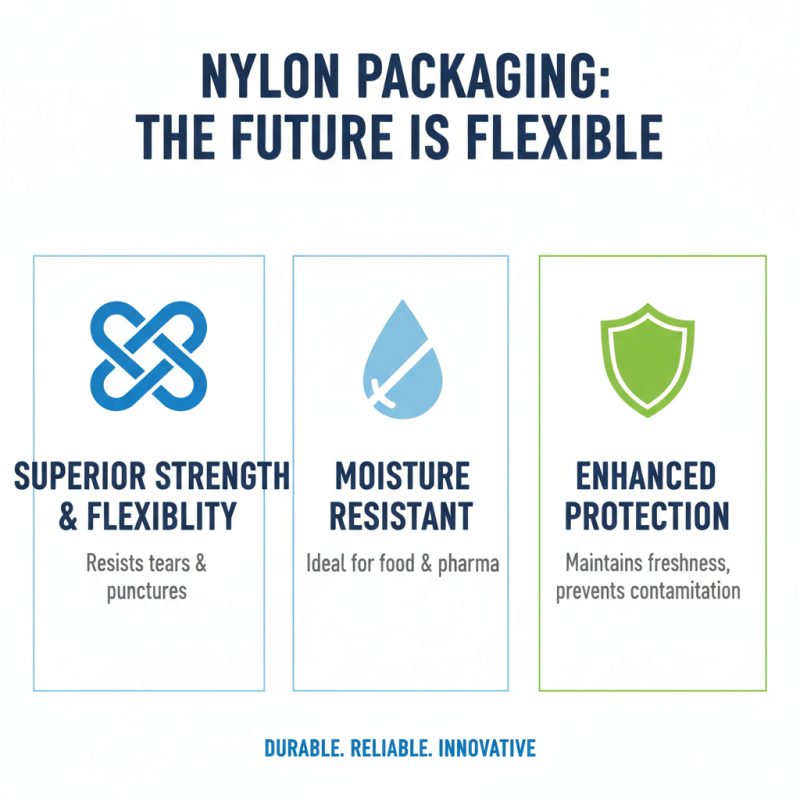
The benefits of nylon packaging are substantial. It provides excellent barrier properties, protecting products from moisture and oxygen, which helps in maintaining freshness. Research indicates that nylon packaging can extend shelf life by up to 50%. However, businesses may need to reconsider their sustainability practices, as nylon is derived from petrochemicals.
Companies must reflect on the environmental impact of their packaging choices. While nylon's advantages are clear, its recycling challenges remain significant. Ensuring responsible disposal or use of recycled materials must become a priority. Investing in nylon packaging is a decision that ought to balance product protection with a commitment to sustainability.
Understanding Nylon Packaging: Definition and Composition
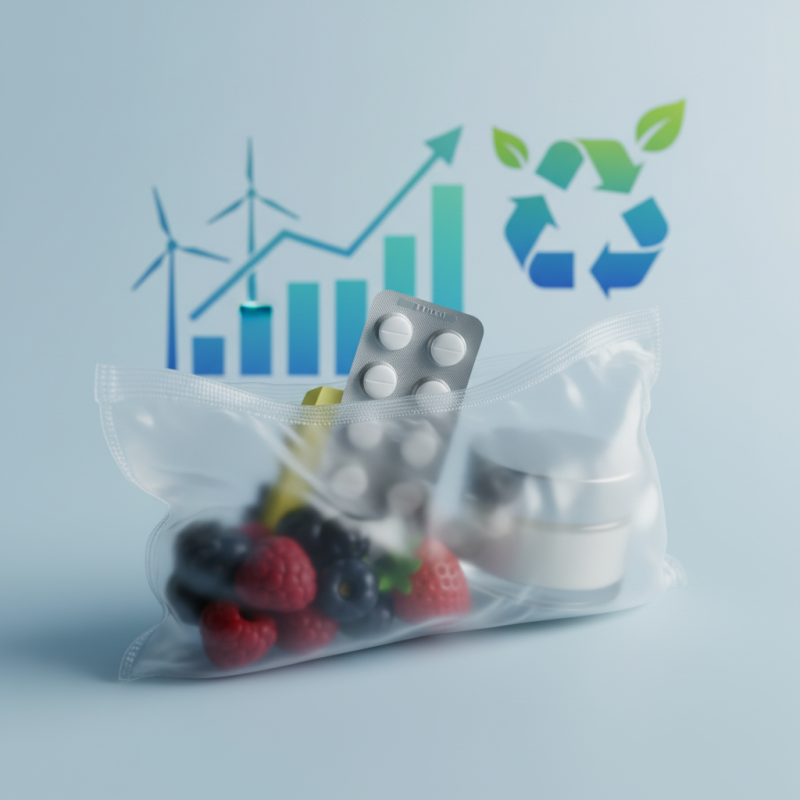
Nylon packaging is a versatile option increasingly popular among manufacturers. It consists mainly of polyamide, a synthetic polymer known for its strength and durability. This material can resist punctures and tears, ensuring products remain safe during transportation. The lightweight nature of nylon contributes to lower shipping costs and reduces the environmental impact associated with heavier packaging.
Blending nylon with other materials can enhance its properties. For instance, combining it with polyethylene can improve moisture barrier characteristics. This is vital for products sensitive to humidity. However, the complexity of nylon’s composition can also make recycling challenging. This can lead to increased waste if not managed properly. Some manufacturers have yet to fully address this issue, requiring reflection on sustainable practices.
Another interesting aspect is the aesthetic appeal of nylon packaging. It can be printed with vibrant colors and designs, capturing consumer attention. Yet, some consumers remain unsure about the environmental implications. Many still struggle to understand if nylon is a sustainable choice. These concerns highlight the need for transparency and better education regarding packaging materials.
Nylon Packaging Benefits
Advantages of Nylon Packaging for Product Protection
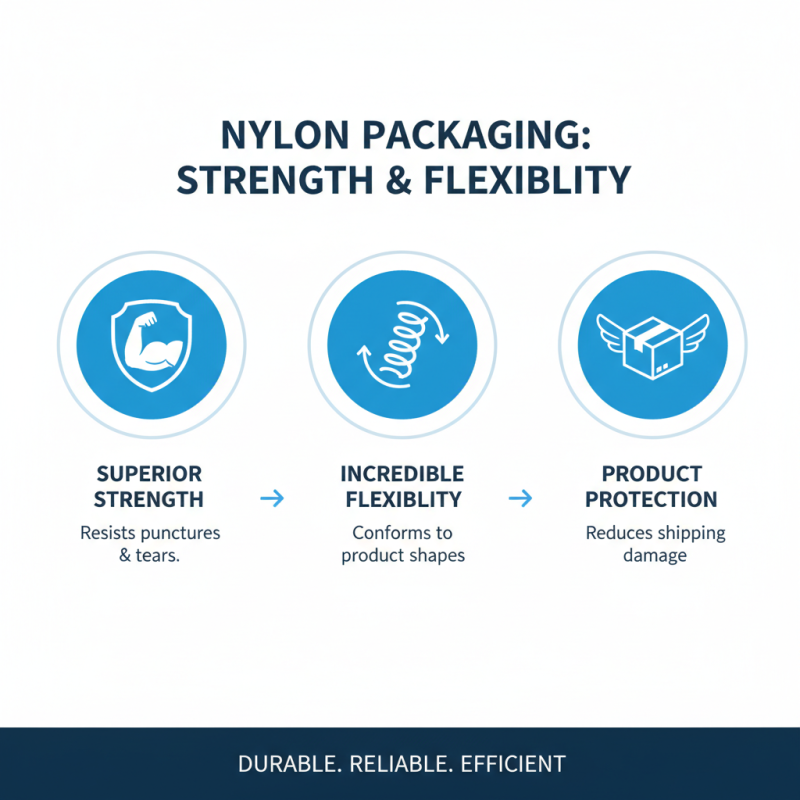
Nylon packaging is gaining popularity for various products. Its strength and flexibility make it ideal for protection. This durable material can withstand physical stress without breaking or tearing easily. Products packaged in nylon are less likely to incur damage during shipping and handling.
Another advantage of nylon packaging is its resistance to moisture. This feature helps keep the contents dry, which is crucial for many items. For instance, food products benefit significantly from this property. However, not all nylon packaging is created equal; some could be prone to punctures. This emphasizes the need to choose the right type of nylon for specific products.
The clarity of nylon allows consumers to see the product inside. This transparency can enhance the shopping experience. Yet, one has to be cautious. Excessive exposure to sunlight can lead to degradation. Thus, balancing visibility and protection is key. Proper education on use and limitations could improve packaging strategies.
Applications of Nylon Packaging Across Various Industries
Nylon packaging has emerged as a versatile solution across multiple industries. In the food sector, its excellent barrier properties help maintain freshness. According to a 2021 industry report, nylon films can extend the shelf life of perishable goods by 30%, allowing for longer distribution times. The ability to resist punctures and tears is another key benefit, especially for meats and cheeses.
In the pharmaceutical industry, nylon's chemical resistance is vital. It protects medicines from moisture and air, ensuring efficacy. A study found that packaging accounts for 30% of a product's shelf life. This is critical for vaccines and delicate treatments where stability is crucial.
However, nylon packaging is not without its challenges. Recycling rates remain low, with only 15% of nylon products finding their way back into the production cycle. This raises environmental concerns that companies must address. Brands must consider not just the performance of nylon but also its ecological footprint. As the industry evolves, finding sustainable alternatives will be imperative.
What is Nylon Packaging and How Does it Benefit Your Products?
| Industry |
Application |
Benefits |
| Food and Beverage |
Vacuum-sealed pouches for meat and cheese |
Extended shelf life, moisture resistance |
| Pharmaceuticals |
Blister packs for tablets |
Tamper-evidence, protection from environmental factors |
| Cosmetics |
Flexible packaging for creams and lotions |
Barrier properties, aesthetic appeal |
| Electronics |
Static-free bags for components |
Protection from electrostatic discharge |
| Textiles |
Protective wraps for clothing |
Durability, lightweight transport |
Comparative Analysis: Nylon vs. Other Packaging Materials
Nylon packaging is gaining popularity for various reasons. It offers greater flexibility and strength than many traditional materials. Unlike cardboard or paper, nylon is resistant to moisture. This makes it an excellent choice for food and pharmaceutical products. It prevents contamination and maintains freshness.
When comparing nylon with other materials, the differences are clear. For example, glass is heavy and breakable. It requires careful handling during shipping. In contrast, nylon is lightweight and durable. It holds up well under pressure. However, it isn't biodegradable, which raises environmental concerns.
Plastic alternatives such as polyethylene are often cheaper, but they can lack the same barrier properties. This could compromise product integrity. Nylon can be more expensive, yet its benefits often justify the cost. Finding the right balance between cost and quality is essential. Each material has its strengths and challenges, and it’s vital to reflect on what is best for specific applications.
Sustainability and Recycling of Nylon Packaging Solutions
Nylon packaging offers various benefits for product preservation, but its sustainability often raises questions. Recycling nylon can be complex. Not all facilities accept it. Education is key for brands and consumers alike.
One effective way to improve sustainability is to explore recycling programs. Many regions now have initiatives for collecting nylon waste. By participating, businesses can reduce their environmental footprint. Consumers can also separate nylon for recycling, helping to close the loop.
Tips: Consider using nylon packaging that is marked for recyclability. It can make a difference. Also, educate your team about proper disposal methods, enhancing overall awareness. When brands prioritize sustainability, they set a precedent for conscious consumerism.