Why Choose the Right Container For Packing Your Products?
Choosing the right container for packing your products is crucial in today’s competitive market. Expert David Reynolds, a renowned packaging consultant, states, “The right container can elevate your product and enhance customer experience.” This highlights the importance of selecting an appropriate Container For Packing.
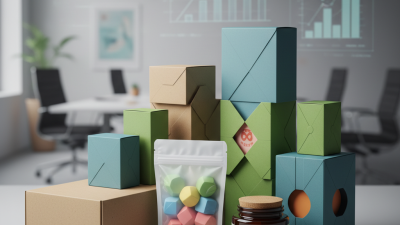
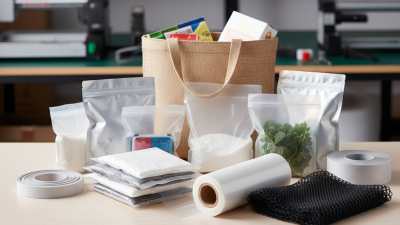
Containers come in various shapes, sizes, and materials. Each option has its unique benefits and potential drawbacks. For instance, a rigid box may provide excellent protection but can add weight to shipping costs. Conversely, flexible pouches may reduce shipping expenses but offer less protection. Understanding the balance is key.
Moreover, many businesses overlook how the wrong container can lead to damage or customer dissatisfaction. A product that arrives broken or poorly presented can tarnish a brand's reputation. Investing time in selecting the right Container For Packing is essential for safeguarding both your products and your brand image.
Understanding the Importance of Container Selection in Product Packaging
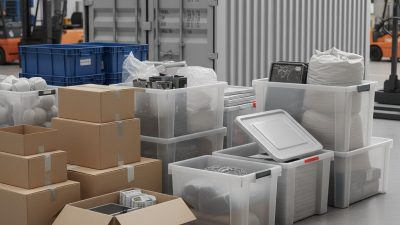
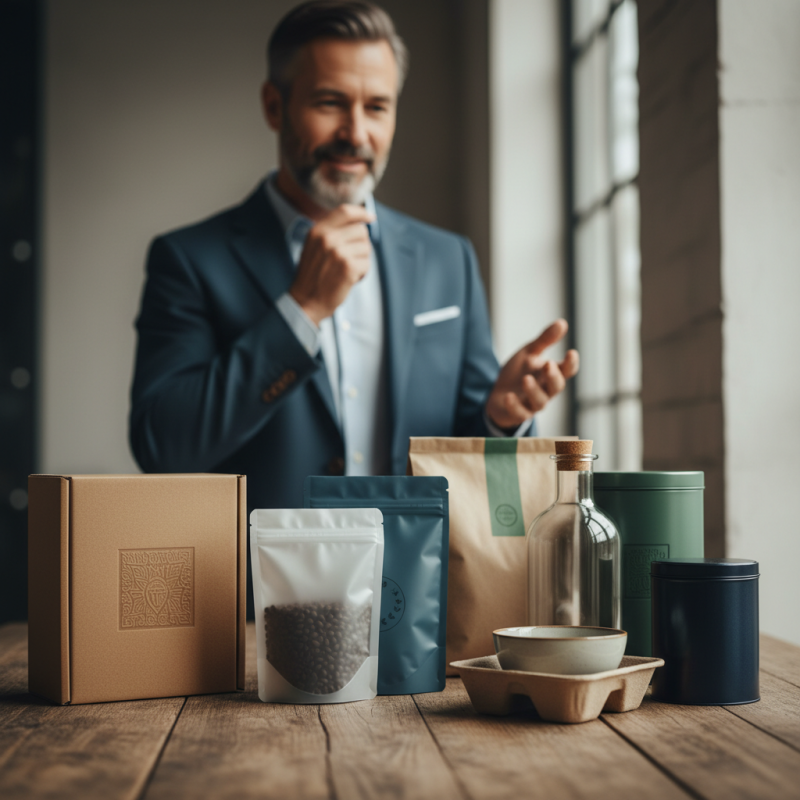
Choosing the right container for product packaging is crucial. It goes beyond simple aesthetics. The container is the first point of contact for customers. If it’s unappealing, potential buyers might look elsewhere. For fragile items, a durable container is vital. It protects against damage and ensures safe delivery.
Material choice also plays a significant role. Plastic, glass, metal, and cardboard each offer unique benefits. Some materials are eco-friendly, which appeals to environmentally conscious consumers. Others provide better insulation or are more cost-effective. However, an improper selection can lead to waste. Overpacking or inadequate protection are common issues.
Finally, the size of the container must align with the product. Too big? It may lead to movement during shipping. Too small? It risks damaging the item. Striking the right balance is necessary yet challenging. Many struggle with this aspect. Containers should enhance the product's value, not diminish it.
Types of Containers for Different Product Categories
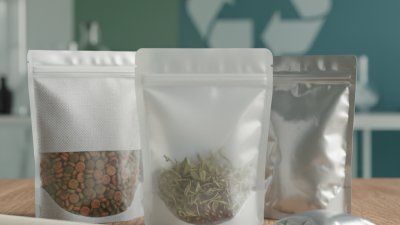
Choosing the right container for your products is crucial. Different types of products require specific containers. For instance, food items need airtight packaging. This keeps them fresh and safe. Glass jars are a common choice for jams and sauces. They offer visibility and a premium feel.
For cosmetics, soft tubes and compact bottles work well. They ensure easy application and minimize waste. On the other hand, electronics often require sturdy boxes. Cushioning materials, like bubble wrap, prevent damage during shipping. Remember, the aesthetics of the container count too. A visually appealing package can attract more customers.
However, not all containers are perfect. Sometimes, they may not fit well on shelves. This can lead to wasted space and increased costs. It’s essential to consider the entire supply chain. Redesigning your packaging might require extra time. Yet, it can greatly impact your product’s success. Reflecting on these factors is essential for better choices.
Why Choose the Right Container For Packing Your Products?
Factors to Consider When Choosing the Right Container
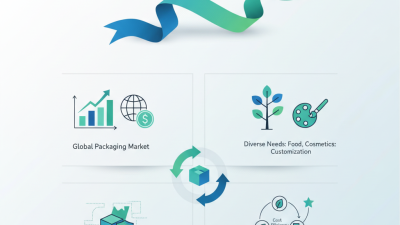
When choosing the right container for packing products, several factors come into play. The material of the container is critical. Plastic, glass, and metal each have unique properties. For example, a report by Smithers Pira indicates that flexible plastic packaging is projected to grow by 4.5% annually, reflecting its demand in various industries. This data reveals that businesses prioritize convenience and sustainability, which containers can provide.
Another aspect to consider is the product's protection. Different products have varying levels of fragility. For instance, electronics often require sturdy and impact-resistant containers. The global packaging market for electronics is estimated to reach $60 billion by 2025, emphasizing the need for adequate protection. Choosing the right dimensions is just as crucial. An overly spacious container may lead to damage during transit. Conversely, a tight fit can cause stress and breakage.
Cost-effectiveness cannot be overlooked. Packaging costs can represent a significant percentage of the overall product price. According to a survey by Packaging Strategies, nearly 30% of manufacturers report that packaging expenses directly affect their pricing strategies. This delicate balance between price and quality often forces companies to reassess their choices. Making the right decisions about container selection is essential for both cost management and product integrity.
The Impact of Packaging on Product Safety and Quality
When considering packaging, the safety and quality of a product are paramount. The right container protects items from environmental factors. Think about moisture, temperature, and physical damage. Each of these can drastically affect a product. For example, food products require airtight packaging to maintain freshness. Fragile items need cushioning to prevent breakage. Choosing a suitable container involves understanding what your product needs for preservation.
It's easy to overlook the details of packaging. However, the wrong choice can lead to significant losses. Imagine a glass bottle breaking during transport. The contents spill and create waste. This not only impacts the product's quality but also the brand's reputation. Producers must reflect on their choices and consider how different materials affect overall integrity. For instance, biodegradable options are better for the environment but may not offer the same protection. Balancing safety and eco-friendliness is often a complex challenge.