Leave Your Message
-
Phone
-
E-mail
-
Whatsapp

-
Whatsapp

Choosing the right Box Material for global shipping is a practical decision, not a simple packaging preference. A carton that survives a local delivery may fail after weeks of handling, humidity, vibration, and temperature changes. We have seen clean, well-packed parcels arrive with crushed corners because the box was too weak for its weight. Small details matter.
This guide examines corrugated cardboard, heavy-duty fiberboard, plastic containers, and specialty materials used for international transport. It considers compression strength, moisture resistance, weight, recyclability, and total shipping cost. A lightweight box may reduce freight charges, but it can demand more internal protection. A thicker box may perform better, yet add unnecessary weight and expense. There is no universal answer.
Route conditions should shape the choice. A sea shipment through humid ports needs different protection from a short air shipment in a dry climate. Product shape, stacking pressure, handling frequency, and storage time also influence performance. Packaging tests, supplier specifications, and recognized transport standards can provide useful evidence, but real shipments remain unpredictable. That is worth remembering.
The following sections offer a clear framework for comparing materials and matching them with product risks. They also highlight common mistakes, such as choosing a box by appearance or ignoring moisture exposure. Reliable decisions come from testing representative packages, reviewing damage records, and questioning assumptions before large-scale shipping begins. A strong Box Material choice protects the product, controls waste, and supports consistent delivery across changing global conditions.
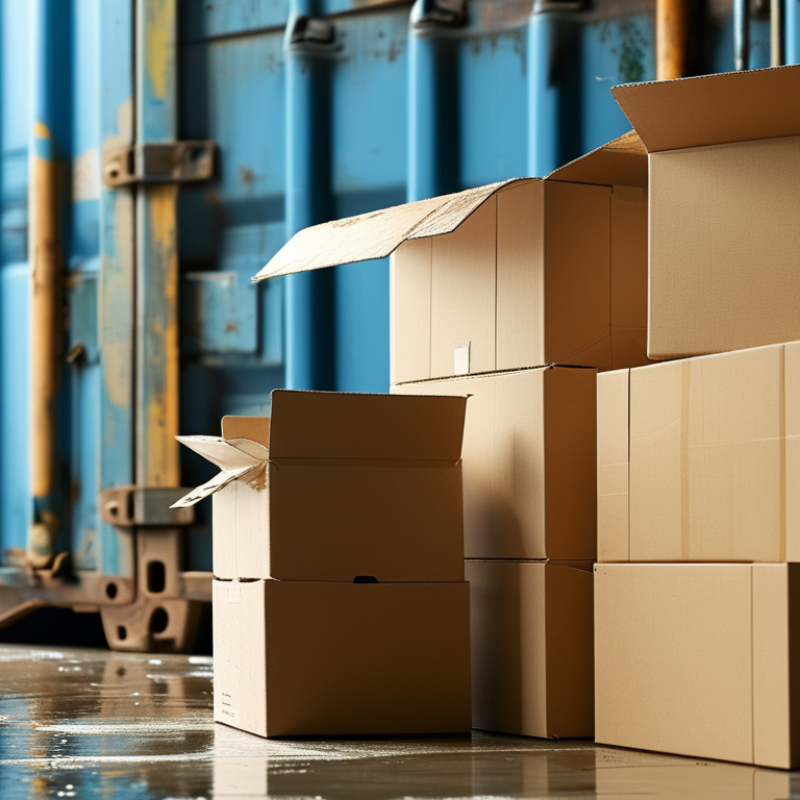
Choosing box material starts with the shipment, not the warehouse shelf. Define the route, transport modes, product weight, dimensions, stacking time, humidity, and handling exposure. A box crossing oceans needs different protection from one moving by air. Measure the risk. Do not guess.
The World Bank’s 2023 Logistics Performance Index collected feedback from more than 4,000 logistics professionals. It highlights reliability, tracking, and delivery consistency as central logistics concerns. These factors should shape box performance requirements. For fragile products, specify compression strength, edge-crush resistance, cushioning, and vibration tolerance. Corrugated fiberboard often provides a practical balance between strength and weight. However, recycled fibers can lose performance in humid conditions. That weakness is easy to overlook.
ISTA transit-testing procedures can help simulate drops, vibration, compression, and atmospheric conditioning before export. Test the finished pack, not only the empty box. A heavier product may need stronger fluting, reinforced corners, or internal separation. Oversized boxes also increase movement and material use. The 2023 UNEP report Turning off the Tap warns that global plastic pollution could rise sharply by 2040 without major intervention. This supports selecting recyclable fiber solutions where protection remains adequate. Yet sustainability claims require evidence. A thinner box may fail more often, creating waste through replacement shipments. I have seen teams optimize material cost first, then discover crushed corners after long routes. That is an expensive lesson. Define acceptable damage levels clearly. Record test results, climate assumptions, and carrier handling conditions before approving the final material.
| Box Material | Typical Construction | Recommended Load Range | Compression Performance | Moisture Resistance | Impact and Puncture Protection | Typical Weight Efficiency | Global Shipping Suitability | Best-Fit Applications |
|---|---|---|---|---|---|---|---|---|
| Single-Wall Corrugated Fiberboard | Three paper layers: two liners and one fluted medium | Light to medium loads, generally up to approximately 15 kg depending on box size and board grade | Suitable for standard parcel handling when correctly sized and packed |
Paper fibers weaken when exposed to sustained humidity or direct water |
Provides moderate cushioning and puncture protection |
Very good; low material weight and efficient flat-pack storage | Suitable for dry, general cargo and short-to-medium distribution routes | Books, apparel, household goods, small non-fragile products and retail shipments |
| Double-Wall Corrugated Fiberboard | Five paper layers with two fluted mediums between three liners | Medium to heavy loads, commonly suitable for approximately 15–30 kg depending on specifications | Higher stacking strength than single-wall board |
Requires coatings, liners or secondary protection for humid routes |
Improved resistance to crushing, vibration and edge impacts |
Good; stronger protection with a moderate weight increase | Strong general-purpose option for ocean, air and multimodal distribution | Appliances, industrial components, cosmetics in multiples and fragile products with inner cushioning |
| Triple-Wall Corrugated Fiberboard | Seven paper layers with three fluted mediums | Heavy loads, often suitable for approximately 30–50 kg or more when engineered and tested | High compression strength for heavy contents and stacking |
Moisture protection depends on coatings, waxes or liners |
Strong resistance to puncture and handling impacts |
Moderate; lighter than many rigid alternatives but bulkier than single-wall board | Suitable for demanding export shipments when packaging dimensions are optimized | Machinery parts, dense components, large equipment and heavy spare parts |
| Solid Fiberboard | Compressed paperboard made from dense fiber layers without a fluted core | Light to medium loads requiring a compact, smooth box structure | Good flat-panel stiffness; box strength depends strongly on design |
Needs moisture-resistant treatment for wet or high-humidity environments |
Good surface durability but less cushioning than corrugated board |
Good; dense and space-efficient, though heavier than some corrugated designs | Suitable for clean, dry shipments and products needing a smooth printable surface | Food and beverage multipacks, thin products, folders, trays and compact consumer goods |
| Plywood Crate or Box | Layered wood veneers bonded with alternating grain direction | Heavy or high-value loads, commonly used above 30 kg when engineered appropriately | High rigidity and strong resistance to stacking loads |
Better humidity tolerance than paperboard, but edges and joints still need protection |
High resistance to puncture, abrasion and rough handling |
Lower; heavier and more costly to transport than fiber-based boxes | Suitable for international freight when wood packaging complies with ISPM 15 requirements | Machinery, precision instruments, stone products and high-value industrial equipment |
| Reusable Plastic Box | Rigid or foldable box made from durable polymer panels | Medium to heavy loads, depending on wall thickness and structural design | Consistent strength across repeated handling cycles |
High resistance to water, humidity and many common contaminants |
Good impact resistance; performance varies by polymer and temperature |
Moderate to low for one-way shipping; more efficient when returned and reused | Best for closed-loop or repeated international distribution programs | Automotive parts, medical supplies, electronics components and returnable logistics systems |
Performance ranges are indicative and vary with box dimensions, material grade, flute profile, closure method, stacking pattern, internal cushioning, climate and transport conditions. Validate the selected design with distribution testing such as compression, vibration, drop and climate-conditioning tests before large-scale global shipment.