How to Choose the Right Aluminium Bag for Your Packaging Needs?
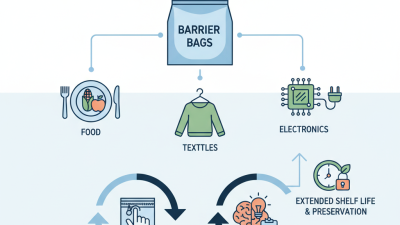
Choosing the right packaging solution can be challenging. Among various options available, the Aluminium Bag stands out. It offers durability, flexibility, and excellent barrier properties. This makes it suitable for diverse products.
When selecting an Aluminium Bag, consider the specific needs of your product. Think about factors like moisture resistance and puncture strength. Will your product be transported over long distances? How will it be stored? These questions guide your choice.
Not all Aluminium Bags are created equal. Some may fall short in sealing or design. Reflecting on past experiences can help in avoiding common pitfalls. Take the time to evaluate your needs. A well-chosen Aluminium Bag can enhance your product's appeal and ensure its safety throughout its journey.
Understanding the Various Types of Aluminium Bags Available
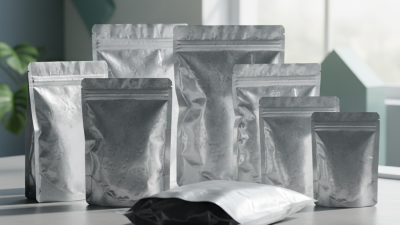
When selecting the right aluminium bag, understanding the various types available is crucial. Aluminium bags come in several forms, each tailored for specific packaging needs. For instance, stand-up pouches are popular for their flexibility and shelf presence. According to a study by Smithers Pira, the flexible packaging market is set to grow by 4.2% annually. This trend highlights the significance of aluminium in modern packaging.
Flat pouches are another common option. They are efficient and provide a barrier against moisture and oxygen. Many industries prefer these for products requiring long shelf life. Interestingly, some brands opt for custom sizes and prints to stand out. This personalization can increase a product's appeal but may also complicate logistics.
Tip: Always consider the product’s requirements before choosing a bag type. Evaluate factors like barrier properties and usability. It’s vital to get this right. Small mistakes in size or sealing can affect product quality. A minor oversight today could mean a significant loss tomorrow. Trying out a few options in a pilot test can provide valuable insights.
Identifying Your Packaging Requirements and Constraints
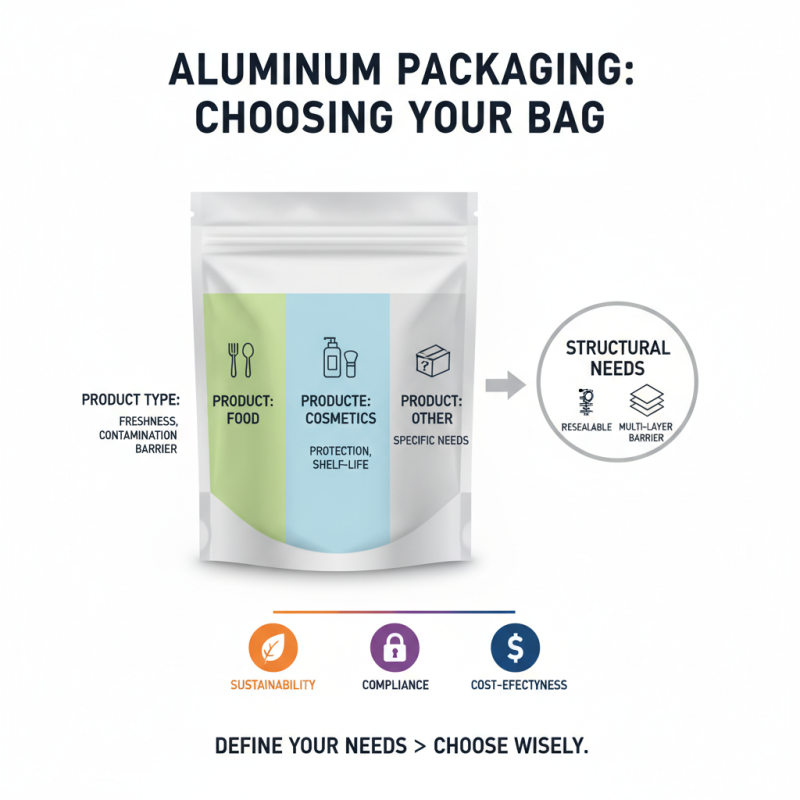
When selecting an aluminium bag, understanding your packaging requirements is crucial. Start by considering the product you will package. Is it food, cosmetics, or something else? Each type has unique needs. For instance, food packaging must ensure freshness and prevent contamination. The structure of the aluminium bag should reflect this need. You might want a resealable option for convenience.
Next, evaluate space constraints. Consider how much room you have for storage and display. Is there a limit to the size of the bag? Compact designs can often reduce shipping costs. However, they should not compromise quality. If space is tight, consider foldable designs. These can save room but require careful planning.
While you assess these factors, reflect on your budget. Aluminium bags can vary in price, depending on features. Sometimes, the cheapest option may not meet your needs. A balance between cost and functionality is essential. Packaging reflects your brand. A well-chosen bag can enhance the product's appeal, making it worth the investment.
Evaluating the Barrier Properties of Aluminium Bags
When selecting an aluminium bag, evaluating barrier properties is crucial. Aluminium bags are known for their excellent barrier capabilities. They protect products from moisture, oxygen, and light. These factors significantly affect the shelf life of food products and pharmaceuticals. According to a report from Packaging Research International, packages with superior barrier properties can increase product longevity by up to 50%.
Tips for choosing the right aluminium bag:
- Assess the product's sensitivity to oxygen and moisture.
- Consider the thickness of the aluminium layer. Thicker layers generally offer better protection.
- Think about the storage environment. High humidity can compromise weaker barriers.
Remember, not all aluminium bags are made the same. Some may not meet the necessary barrier standards for your products. A study by the Food Packaging Forum indicated that inadequate packaging can lead to spoilage. Take time to test various bags before making decisions. Get samples, evaluate their performance, and reflect on what barriers your products truly need.
Assessing Cost-Effectiveness and Environmental Impact
When selecting aluminium bags, cost-effectiveness and environmental impact are key considerations. Aluminium bags may have higher upfront costs compared to plastic options. However, their durability can lead to lower long-term expenses. Research shows that aluminium has a recyclability rate of up to 90%. This makes it a sustainable choice for packaging needs.
Environmental concerns have become increasingly important. A report by the European Aluminium Association indicates that producing aluminium from recycled materials uses 95% less energy than creating it from raw bauxite. This is a significant factor to weigh when considering the overall carbon footprint of packaging choices. Many consumers prefer brands that demonstrate environmental responsibility.
However, there are challenges in aluminium production and waste management. The extraction process can harm ecosystems. Additionally, some might argue that recycling processes are not efficient everywhere. These issues must be acknowledged when evaluating aluminium bags. Making an informed choice involves balancing cost, environmental impact, and practical usability.
Selecting the Right Supplier for Quality Aluminium Bags
Selecting the right supplier for quality aluminium bags is crucial. Start by researching potential suppliers online. Look for reviews and testimonials from their clients. A supplier's reputation can reveal much about their product quality and service.
After narrowing down your choices, request samples. This step allows you to assess the bag's durability and design. Notice the material thickness and seal strength. These details matter for packaging integrity. Sometimes, suppliers may promise quality but deliver subpar products. Avoid falling for flashy marketing without verifying their claims.
Communication is also key. A responsive supplier can greatly enhance your experience. Ask questions about their production processes. Evaluate their willingness to accommodate your specific needs. Some may lack flexibility. This could lead to frustration later. Ultimately, the right supplier will not only meet your expectations but also learn from any issues along the way.
Aluminium Bag Packaging Types and Their Popularity