How to Choose the Best Barrier Bags for Your Needs?
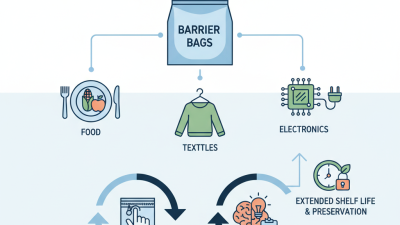
In the packaging industry, Barrier Bags play a crucial role in preserving product quality. According to a report by MarketsandMarkets, the global barrier packaging market is projected to reach $5.44 billion by 2025, suggesting a growing demand for reliable packaging solutions. These bags are engineered to protect contents from moisture, oxygen, and contaminants, extending shelf life significantly.
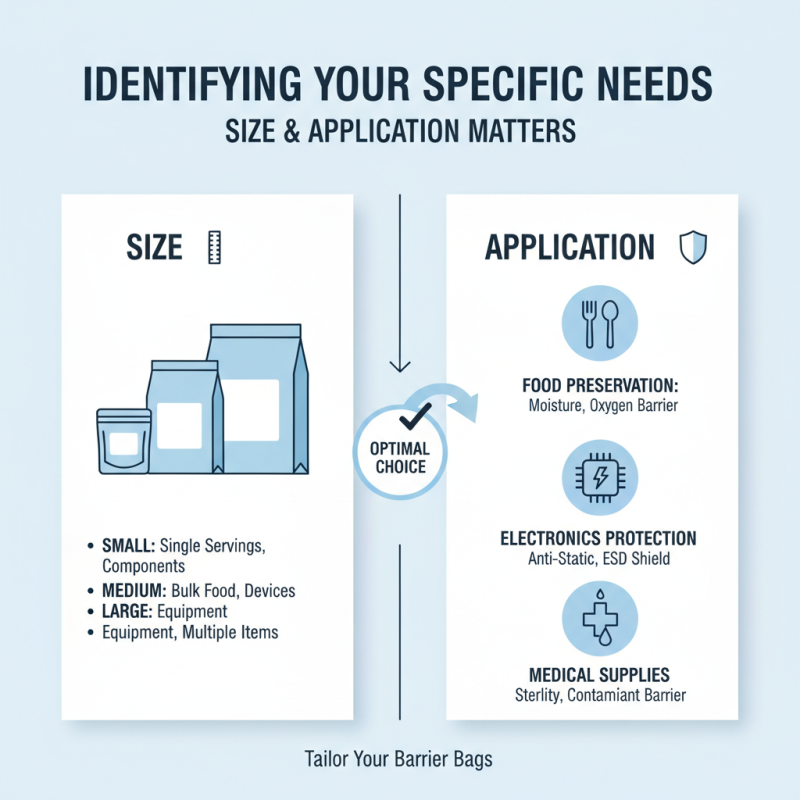
Choosing the right Barrier Bags requires careful consideration of the specific needs of your products. For instance, food items may need bags with high moisture resistance. Meanwhile, pharmaceutical products often require bags with stringent barrier properties to maintain efficacy. The right choice in Barrier Bags can enhance product integrity, as highlighted by a study from Smithers Pira, which claims that poor packaging can lead to a 20% increase in spoilage.
The landscape of Barrier Bags is evolving. New materials and technologies are emerging, but not all options are suited for every application. Buyers must critically evaluate their unique needs and consider factors such as cost and environmental impact. Making informed decisions is key, as poor choices may lead to product degradation or increased costs in the long run.
Understanding Barrier Bags: Types and Materials Explained
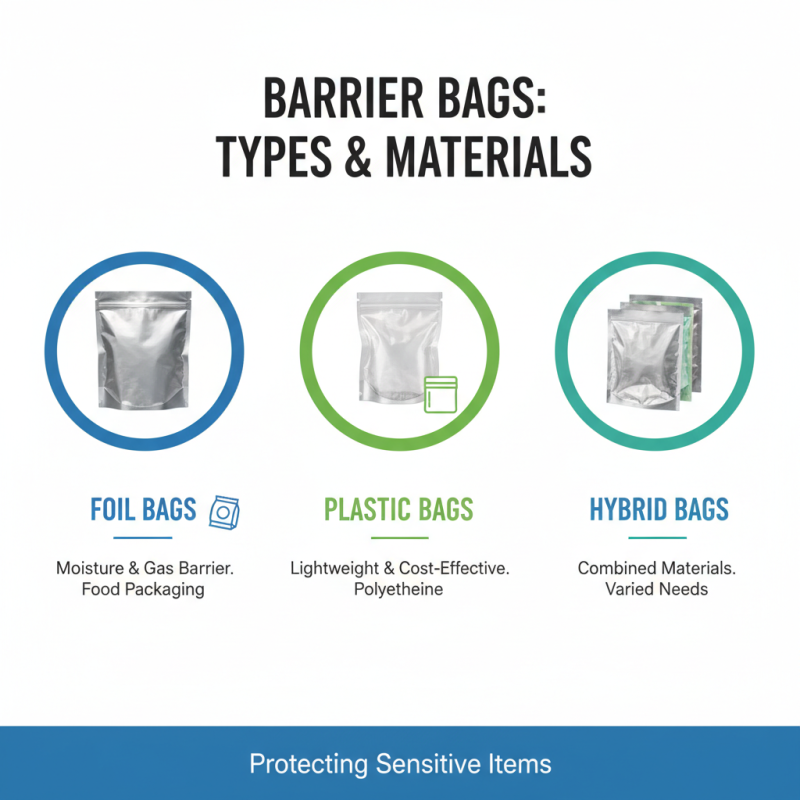
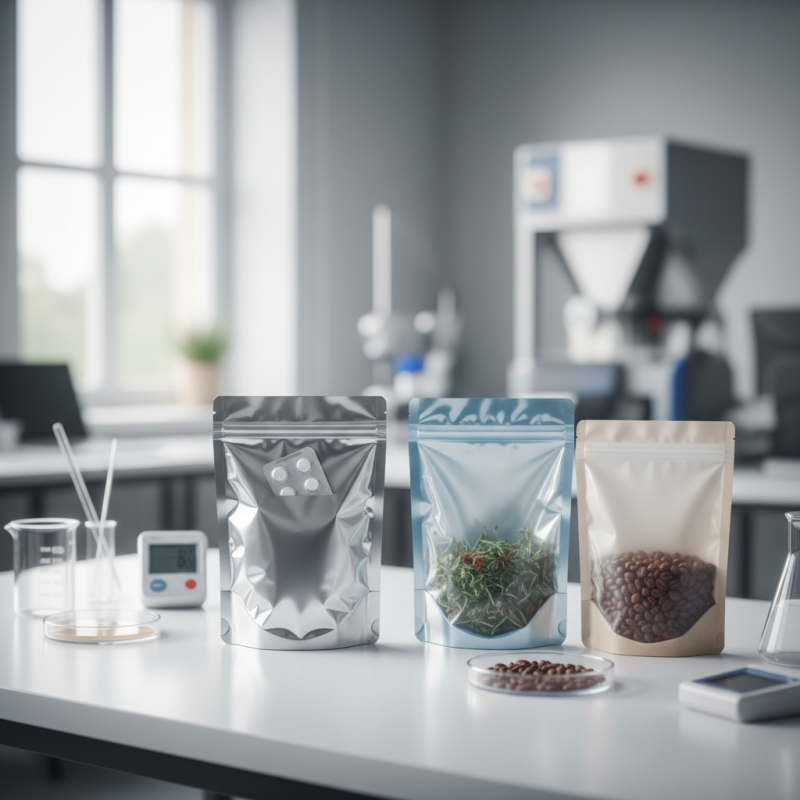
Barrier bags play a crucial role in protecting sensitive items from environmental factors. Understanding the types of barrier bags is essential for making informed choices. There are three main types: foil, plastic, and hybrid bags. Foil bags offer excellent moisture and gas barrier properties. They are frequently used in food packaging. Plastic bags, often made from polyethylene, are lightweight and cost-effective. Hybrid bags combine materials for added benefits, catering to varied needs.
Different materials provide distinct advantages. According to industry reports, foil bags can reduce oxygen transmission rates by up to 95%. This high performance makes them ideal for items that require extended shelf life. Plastic bags, while more affordable, may not provide the same protection. However, they can be enhanced with additives for improved barrier properties. When selecting a bag, consider the item’s sensitivity to light, moisture, and air.
**Tip:** Always perform a test with samples before making a bulk purchase. Assess the bag's performance under the conditions your products will face.
**Tip:** Ensure the sealing method is suitable for your storage environment. A poor seal can compromise product integrity even in the best barrier bags.
Evaluating Barrier Properties: Key Features to Consider
When selecting barrier bags, understanding their properties is crucial. Barrier properties protect contents from moisture, oxygen, and light. These factors directly influence product shelf life and integrity. Evaluate the thickness of the material, as thicker bags generally offer better protection. Pay attention to the seal strength. A weak seal can compromise the bag's protective qualities.
Tips: Check if the bags are puncture resistant. This feature helps in retaining product quality during shipping and handling. Also, consider the bag's permeability. Some materials allow gases to pass while blocking moisture, which is essential for specific products.
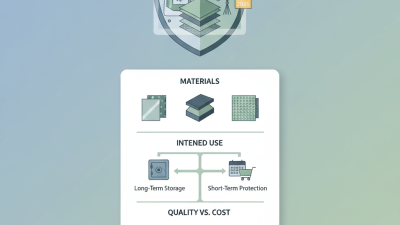
Additionally, think about the intended use. Bags designed for food preservation may differ from those used in chemical applications. The environment where the bags will be stored can affect their performance too. Test a few options to see how they hold up in your particular context. Reflecting on your needs will guide you in making the right choice.
Assessing Quality and Durability: How to Test Barrier Bags
When assessing the quality and durability of barrier bags, several critical factors come into play. Start with thickness. A thicker bag usually offers better protection against moisture and contaminants. Look for bags that clearly specify their thickness in mils or microns. This specification can provide insight into how well the bag can withstand environmental conditions.
Next, consider the material. Mylar and polyethylene are common materials known for their high barrier properties. Testing the bag's puncture resistance can reveal its durability. A simple way to test this is by applying pressure to the bag's surface with a sharp object. If the bag withstands this without tearing, it’s likely to offer better protection.
Lastly, evaluate the seals of the barrier bag. Check how well the seams are constructed. Poorly sealed bags can fail, compromising their protective qualities. A well-sealed bag should withstand opening and closing multiple times without degrading. Keeping an eye on these factors can significantly improve your selection process when choosing the right barrier bag.
Comparative Analysis: Pricing and Suppliers in the Market
When exploring barrier bags, pricing is a key factor. Different suppliers offer varying prices based on material, size, and technology. For example, lightweight barrier bags tend to be less expensive than heavy-duty options. However, saving on initial costs might increase long-term expenses due to product spoilage. It's essential to analyze the total cost of ownership.
Supplier reliability is equally important. Not all suppliers maintain the same standards. Look for suppliers known for quality materials and consistent delivery. Reviews and industry ratings can provide insight into a supplier's reputation. Comparing suppliers based on these metrics is crucial for making an informed decision. While some suppliers may appear attractive due to lower prices, validating their credentials will help prevent future issues.
Consider your specific needs. Think about the environment where the bags will be used. If you require extra protection against moisture, you may need to invest more upfront. This decision can save money in the long run by reducing waste. Always keep an eye on evolving market trends. Prices fluctuate, so stay updated for the best deals that align with your requirements.
How to Choose the Best Barrier Bags for Your Needs? - Comparative Analysis: Pricing and Suppliers in the Market
| Type of Barrier Bag |
Material |
Thickness (microns) |
Price per Unit |
Supplier Rating (1-5) |
| Stand-Up Pouch |
PET/PE |
120 |
$0.30 |
4.5 |
| Flat Pouch |
BOPP |
100 |
$0.25 |
4.0 |
| Zip Lock Bag |
LDPE |
80 |
$0.15 |
4.2 |
| Vacuum Sealed Bag |
Nylon/PE |
150 |
$0.50 |
4.8 |
| Foil Bag |
Aluminum/PE |
200 |
$0.40 |
4.6 |