Why Choose a Juice Bag for Your Beverage Packaging Needs?
As the beverage industry evolves, packaging solutions become crucial. The "Juice Bag" is gaining attention for its unique advantages. Industry expert, Sarah Thompson, a leading authority in sustainable packaging, states, "Juice Bags not only preserve flavor but also reduce environmental waste."
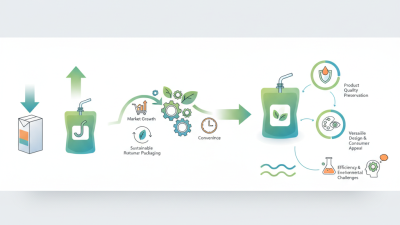
Juice Bags offer lightweight and space-efficient designs. This can decrease shipping costs and energy use. Brands benefit from customizable options, enhancing consumer appeal. However, some may worry about the potential for leaks or durability. Addressing these concerns, manufacturers are continuously improving the materials used in Juice Bags.
Despite the clear benefits, some hesitation remains in the market. The transition from traditional packaging to Juice Bags may pose challenges. Overall, the growing trend towards Juice Bags reflects a commitment to innovation in beverage packaging while prioritizing sustainability.
Benefits of Using Juice Bags for Beverage Packaging
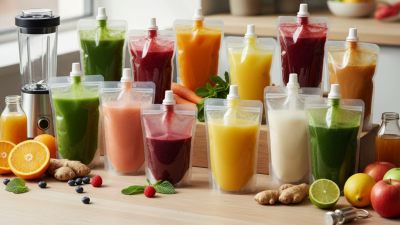
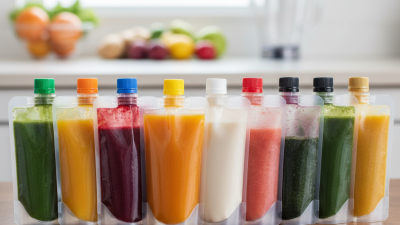
Juice bags have gained popularity in beverage packaging for many reasons. They offer convenience and versatility. Their lightweight design makes them easy to transport. Juice bags often feature resealable tops, allowing for portion control. This can reduce waste and provide an easy way to enjoy beverages on the go.
Environmentally conscious consumers appreciate that juice bags use less material than traditional bottles. This can lead to lower carbon footprints during production and shipping. However, it's essential to consider the recycling options available for these bags. Not all juice bags are recyclable, which can lead to waste management challenges.
Quality is also a critical factor. Juice bags must maintain the freshness of the beverage. If not properly sealed or made from inferior materials, they can compromise taste and safety. It's vital for manufacturers to invest in high-quality materials and production techniques. Overall, while juice bags have clear benefits, there are aspects to critique and improve.
Why Choose a Juice Bag for Your Beverage Packaging Needs? - Benefits of Using Juice Bags for Beverage Packaging
| Benefit |
Description |
Eco-Friendliness |
Cost-Effectiveness |
| Lightweight |
Juice bags are significantly lighter than glass bottles or plastic containers, making them easier to transport. |
Often made from recyclable materials, reducing environmental impact. |
Lower shipping costs due to reduced weight. |
| Space-Efficient |
Juice bags can be easily stacked or stored, maximizing storage space. |
Requires less space in landfills compared to rigid containers. |
More products can be shipped in a single load, saving costs. |
| Versatile Design |
Juice bags can be customized in various shapes and sizes to attract consumers. |
Custom packaging can be produced with biodegradable materials. |
Reduced production costs due to less material used. |
| Long Shelf Life |
Sealed juice bags have an extended shelf life, ensuring freshness. |
Packaging can include recyclable or compostable options. |
Less waste due to lower spoilage rates. |
Comparison of Juice Bags Versus Traditional Bottles
When considering beverage packaging, juice bags stand out against traditional bottles. These bags offer unique advantages, making them a popular choice for many. Juice bags are lightweight and flexible, which helps reduce transportation costs. Unlike rigid bottles, they adapt to available space, ensuring efficient storage.
Moreover, juice bags often use less material than bottles, making them a more eco-friendly option. This reduced usage of plastic aligns with sustainability goals. Some may wonder about the perception of quality. While glass and plastic bottles have been the norm, juice bags can still maintain freshness when properly sealed. The key is using quality materials and ensuring proper sealing techniques.
However, the challenge remains in consumer acceptance. Some individuals might feel that bags lack the premium feel of traditional bottles. Educating consumers about the benefits is vital. There is also the issue of how juice bags perform under certain conditions. If exposed to extreme temperatures, the quality can decline. Finding ways to address these concerns will enhance the attractiveness of juice bags as a reliable packaging solution.
Environmental Impact of Juice Bag Packaging
The environmental impact of juice bag packaging is significant. Juice bags typically use flexible plastic, which can be more eco-friendly compared to traditional bottles. A study by the Ellen MacArthur Foundation shows that flexible plastic packaging can reduce carbon emissions by up to 50% when recycled properly. This is a compelling reason for brands to consider juice bags as a sustainable alternative.
However, the recycling rates for flexible packaging remain low. According to the Association of Plastics Recyclers, only 9% of all plastic is recycled. This statistic highlights a major challenge. Many consumers are unaware of how to recycle juice bags effectively. Labels and information on recycling need improvement to help reduce waste.
Adopting juice bag packaging may seem like a step forward, but it raises questions about its long-term sustainability. Efforts must focus on enhancing recycling infrastructure. Brands must also engage consumers with educational campaigns. This dual approach can increase awareness and support for juice bag recycling, leading to a more sustainable future.
Innovative Designs and Customization Options for Juice Bags
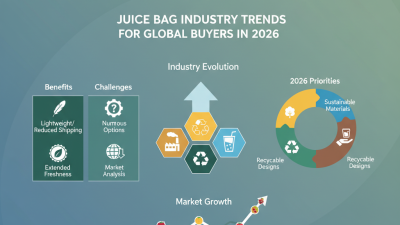
Juice bags represent an exciting frontier in beverage packaging, particularly due to their innovative designs and customization options. The flexible format allows for unique shapes and sizes, which can appeal to varying consumer preferences. According to a recent industry report, flexible packaging is anticipated to grow by 4.5% annually through 2028. This trend emphasizes the shift towards lightweight materials that reduce environmental impact while enhancing consumer experience.
Customization in juice bags is not merely aesthetic; it plays a crucial role in branding. Brands can choose vibrant colors, eye-catching graphics, and distinct spouts to create a memorable experience. Research by the Flexible Packaging Association highlights that 70% of consumers report they are drawn to products based on packaging design. This statistic underscores the importance of making a good first impression with visually appealing juice bags.
However, the journey toward sustainable packaging is still fraught with challenges. The recycling and disposal of plastic juice bags require thoughtful consideration. Many bags are not widely recyclable, leading to potential environmental concerns. As the industry evolves, addressing these issues will be crucial in building trust with consumers. The call for innovative yet sustainable designs echoes throughout the packaging sector, pushing brands to rethink their materials and designs.
Consumer Preferences and Market Trends in Beverage Packaging
Consumer preferences are shifting in the beverage packaging market. Many customers now seek eco-friendly options. They favor packaging that minimizes waste and reduces environmental impact.
Juice bags are gaining popularity due to their lightweight and recyclable materials. This aligns with growing consumer demand for sustainable products.
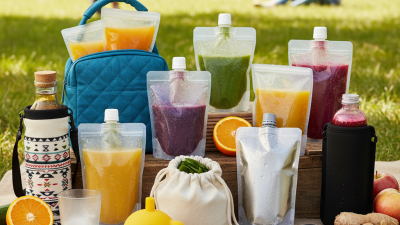
Market trends show a rise in demand for convenience. Juice bags are easy to carry and store, making them an ideal choice for on-the-go lifestyles. They can be resealed, allowing for portion control. This feature appeals to health-conscious consumers who want to enjoy fresh beverages without waste. However, not all juice bags are created equal. Some may lack adequate durability or effective sealing, leading to spills.
Quality concerns persist among consumers. They seek trustworthy packaging that maintains freshness. Companies must ensure their juice bags can withstand various conditions. As the market evolves, balancing sustainability with reliability will be crucial. Understanding these nuances may lead to better product offerings that meet consumer expectations.