How to Choose the Best Container For Packing Your Items?
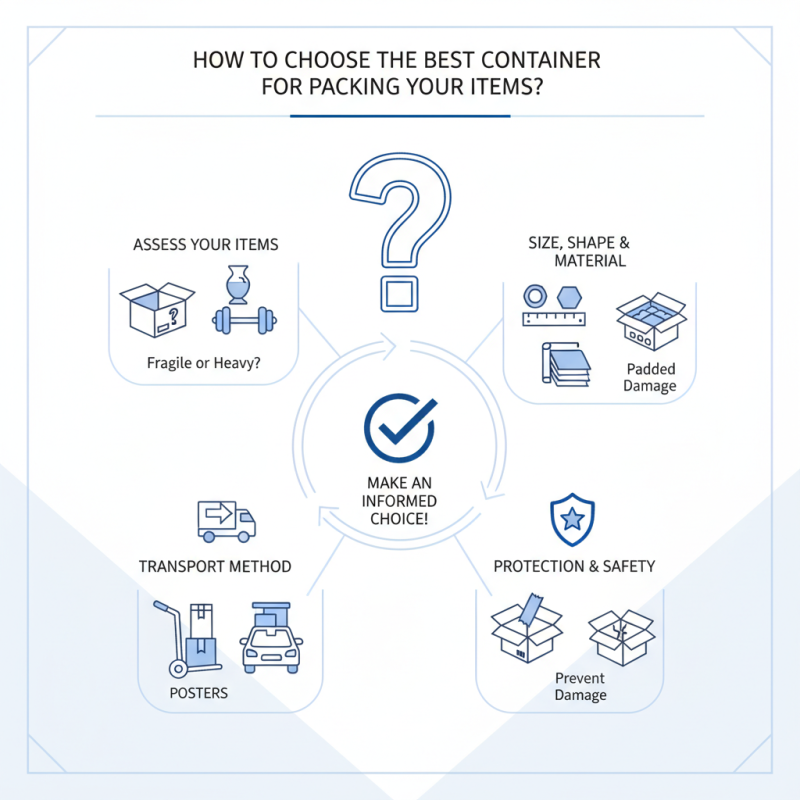
Choosing the right container for packing plays a crucial role in protecting your items. The goal is to find the best fit for your belongings. Different items require different containers. A well-suited container for packing can prevent damage. Consider the size, shape, and material that suits your needs.
For fragile items, a sturdy box is essential. A padded container for packing might be ideal for valuable objects. Assess your belongings carefully. Are they heavy or delicate? You should not underestimate the importance of this choice. Mistakes can lead to broken items. Think about how you plan to transport everything.
Ultimately, the container you choose impacts the safety of your possessions. Don’t rush this decision. Take time to explore options. Sometimes, a simple container for packing can surprise you with its effectiveness. Stay mindful of your needs and make an informed choice.
Factors to Consider When Selecting Packing Containers for Different Items
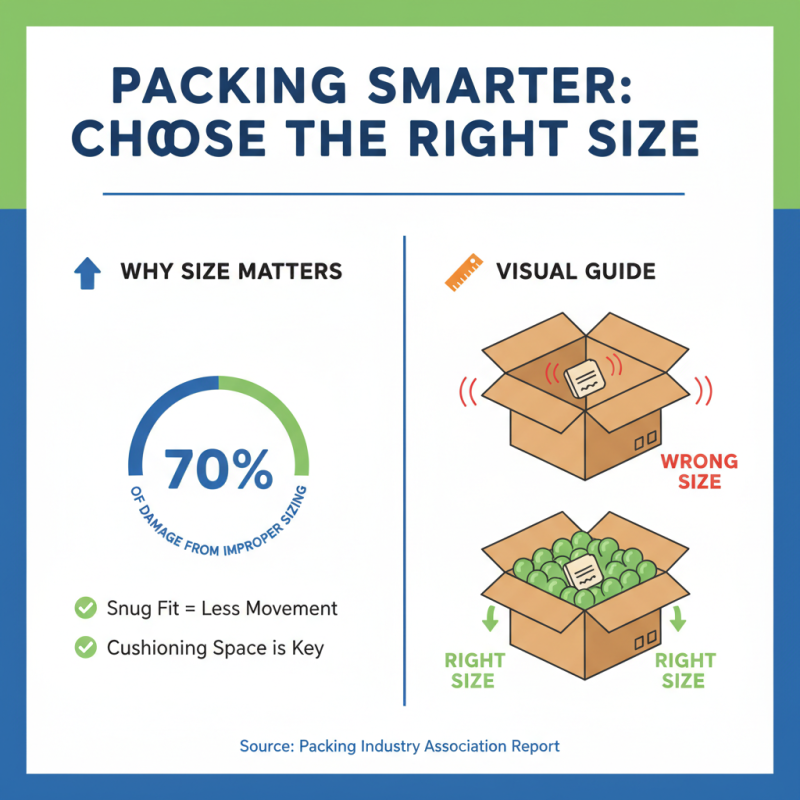
When selecting packing containers, various factors come into play. The size and weight of your items are crucial. For example, a report from the Packing Industry Association indicates that 70% of damage occurs due to improper sizing. Containers should fit snugly around items but allow for cushioning. Oversized boxes may lead to movement during transport.
Material is another key element. Cardboard is lightweight and eco-friendly, yet it may not withstand moisture. Plastic containers offer durability and water resistance. According to a study by the Packaging Research Institute, businesses that invest in quality materials see a 30% reduction in product loss. However, choosing the right material can require time and research.
Consider the item's fragility as well. Delicate items need extra padding and secured containers. A miscalculation in the container's strength may lead to breakage. In fact, 25% of consumers report damage due to poor packaging. It’s essential to assess your needs closely. Sometimes, the cheapest option isn't the best for your items.
Understanding Material Options: Cardboard, Plastic, and More
When choosing a container for packing items, the material plays a vital role. Common options include cardboard, plastic, and wood. Cardboard is lightweight and cost-effective, making it a popular choice. According to the Fibre Box Association, about 90% of retail products are shipped in cardboard boxes. They are recyclable and biodegradable, which is a plus for the environment. However, they may not provide the best protection and can be prone to moisture damage.
Plastic containers offer durability and resistance to water. They can be reused multiple times, which can save money in the long run. A report from Freedonia Group estimates the demand for plastic containers will grow significantly, reflecting their rising popularity. However, the environmental impact of plastic waste raises concerns. Many consumers are now questioning the sustainability of single-use plastics.
Wood containers are another alternative, known for strength and protection. They are often used for fragile items like glassware or antiques. Yet, wooden boxes can be heavy and more expensive. Finding the right balance between cost, protection, and sustainability is essential. Ultimately, each material has its pros and cons, making the choice dependent on specific needs.
Analyzing Size and Dimensions for Effective Packing and Space Utilization
When packing, size and dimensions are crucial. Choosing the right container can make a big difference. Measure your items carefully. Think about how they fit together. A container that is too big can lead to movement and damage. One that is too small might not hold everything.
Tips: Always check the dimensions before purchasing. Use a tape measure if needed. Stack items to see how they fit. This practice can reveal if a larger container is necessary. Sometimes, you may need to adjust your items.
Consider weight distribution as well. Heavy items should go at the bottom. This prevents tipping and makes handling easier. Test the container’s sturdiness. A flimsy box might not endure a move. If a container shows signs of weakness, reconsider your choice.
Container Size Comparison for Efficient Packing
Importance of Weight Capacity in Container Selection for Safe Transport
When selecting a container for packing items, weight capacity plays a critical role. According to industry reports, containers can be made from various materials, each affecting weight limits and durability. For instance, corrugated cardboard boxes might hold up to 50 pounds, while plastic bins can manage heavier loads, often exceeding 100 pounds. This variance makes understanding the capacity essential for safe transport.
Choosing a container means considering not just the total weight but also how the weight is distributed. Uneven weight distribution can lead to container failure. It’s essential to stack items carefully and avoid exceeding weight capacities, which might lead to damage. A report from the Containerization International Research Group notes that 30% of shipping damages are due to improper packing. This statistic highlights the need for thorough planning.
Moreover, keep in mind that not all items fit well in every container. Fragile items require special attention. A container that seems adequate may not provide sufficient protection. This reflects a common oversight in packing scenarios. Understanding weight capacity and material strength ensures that items arrive safely. It's a task that cannot be rushed. Each decision, from container type to packing method, deserves careful thought.
Environmental Impact: Choosing Eco-Friendly Packing Solutions
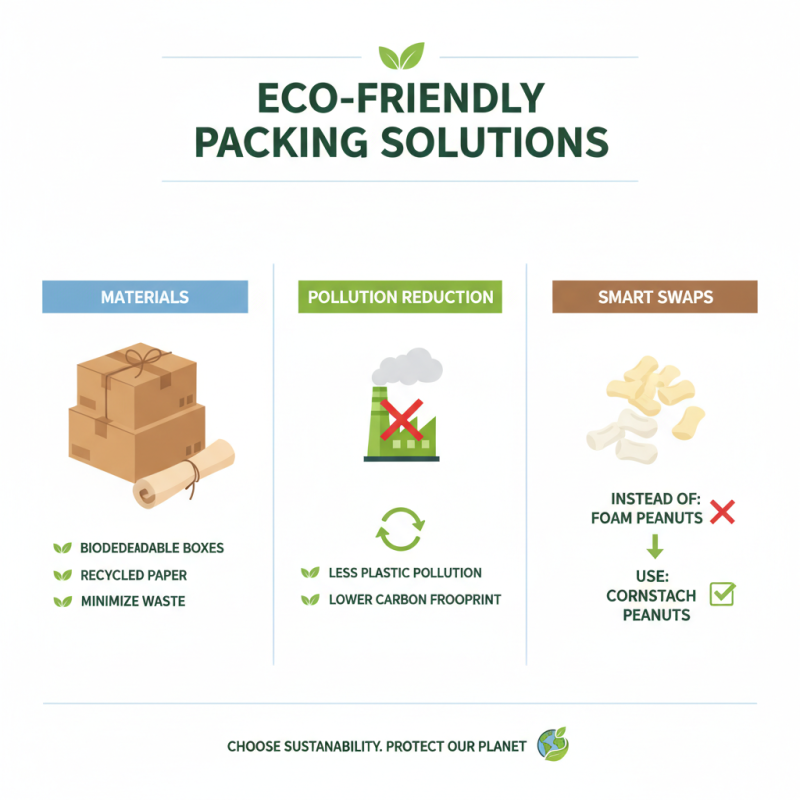
When selecting packing solutions, the environmental impact should be a priority. Eco-friendly materials like biodegradable boxes and recycled papers are excellent choices. They minimize waste and reduce pollution. For instance, using cornstarch peanuts instead of foam can significantly lower plastic use.
Many people overlook the importance of sustainable practices. It’s easy to grab what’s convenient, but this harms the planet. Consider using reusable containers or Jute bags. They last longer and create less waste. Choosing the right materials can make a difference, but it requires effort and conscious choice.
It often feels overwhelming to switch to eco-friendly options. Sometimes, it’s tempting to choose cheaper alternatives. However, reflect on the long-term benefits. Investing in eco-friendly packing not only helps the environment but also sets a positive example for others. Every small decision contributes to a larger impact. Remember, even simple changes can inspire others to rethink their choices.