What is the Best Container for Packing Your Products?
Choosing the right container for packing your products is crucial. The ideal container ensures safety and durability. It also affects customer experience. A well-chosen container can enhance branding and attract buyers.
Many factors influence the decision. Material, size, and purpose are key. Different products may require unique containers. For example, fragile items need cushioned containers. Meanwhile, perishable goods require breathable options.
Often, businesses overlook the long-term impacts of their choices. A cheap container might save money but cause damage. Investing in quality can build trust and loyalty with customers. Consider what your products truly need. A thoughtful approach can lead to success.
Understanding Different Types of Packaging Containers
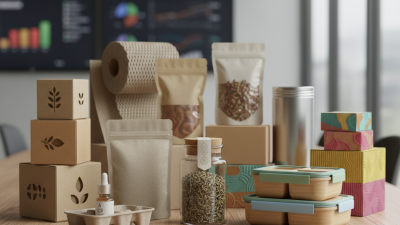
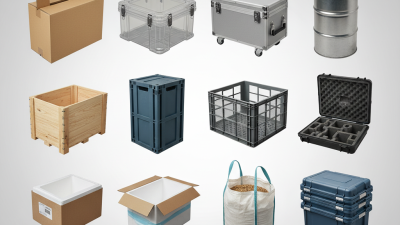
When choosing the right packaging containers, it's essential to consider the materials and their properties. Cardboard boxes are popular for lightweight products. They are recyclable and can be customized easily. However, they might not be suitable for moisture-sensitive items. Plastic containers offer durability and resistance to various elements. They come in numerous shapes and sizes, but they often have less environmental appeal.
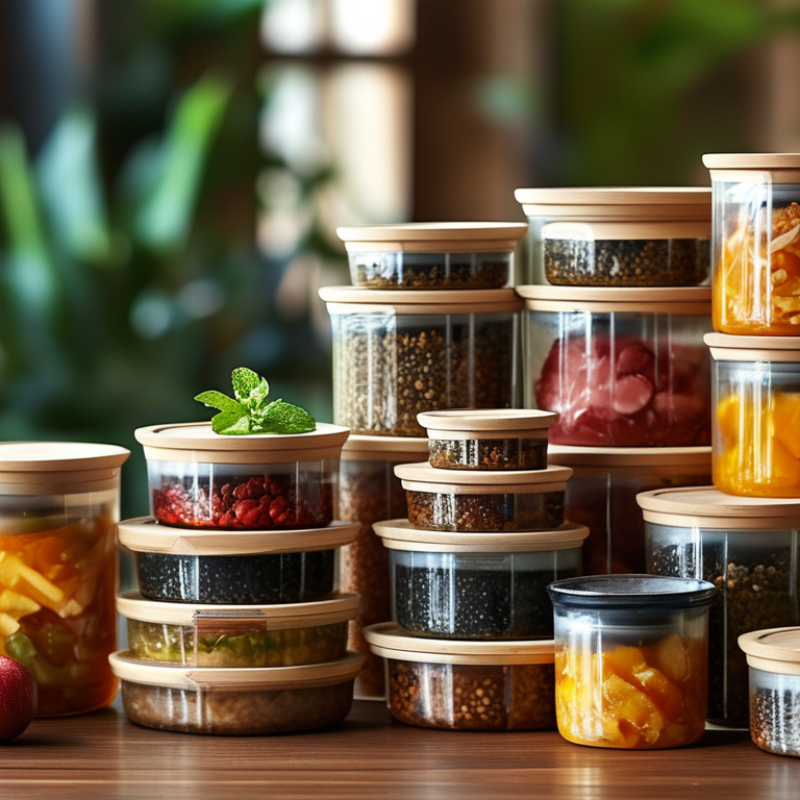
Glass containers provide an excellent barrier against oxygen and moisture. Foods and liquids stay fresh longer inside glass. Still, their weight and fragility can lead to higher shipping costs and potential breakage during transit. Finding the best container involves balancing these factors based on the product's nature.
Reflecting on your packaging choices is crucial. Some businesses may overlook the importance of aesthetics in branding. A well-designed container can enhance customer experience. Additionally, affordability must be weighed against quality. Cutting costs might lead to subpar materials, jeopardizing the product's integrity. Careful consideration can lead to a better choice for both the brand and the consumer's expectations.
What is the Best Container for Packing Your Products? - Understanding Different Types of Packaging Containers
| Container Type |
Material |
Advantages |
Disadvantages |
Best Uses |
| Cardboard Box |
Corrugated Fiberboard |
Lightweight, recyclable, customizable |
Less water-resistant, may not offer strong protection |
Shipping, retail displays, storage |
| Plastic Container |
Polyethylene, Polypropylene |
Durable, moisture-resistant, affordable |
Not biodegradable, less recyclable |
Food packaging, storage, chemicals |
| Glass Jar |
Glass |
Non-reactive, recyclable, high-end appearance |
Heavy, breakable, more expensive |
Food products, cosmetics, luxury items |
| Metal Tin |
Tinplate, Aluminum |
Durable, airtight seal, recyclable |
Can rust, may be more expensive |
Food, beverages, candies |
| Flexible Pouch |
Plastic, Foil |
Lightweight, cost-effective, versatile |
Less durable, may not be suitable for all products |
Snacks, pet food, powders |
Factors to Consider When Choosing a Container for Your Products
Choosing the right container for your products is crucial. It impacts both safety and presentation. Consider the material first.
Glass and plastic each offer unique benefits. Glass is sturdy and eco-friendly, while plastic is lightweight and versatile. Each material has its limits. You must evaluate their durability and how they protect items during transit.
Next, think about the size and shape of the container. A well-fitting design minimizes movement inside. Too much space can cause damage. However, overly tight containers can create pressure.
Experiment with prototypes to find a balance. The visual appeal is also essential. An attractive design can enhance customer experience, but ensure it does not compromise functionality.
Don't overlook environmental factors. Choose packaging that meets sustainability standards. Many consumers today prefer eco-conscious options. Cost is another factor. A more expensive container may offer better protection. However, it's important not to sacrifice quality for price. Continuously assess performance and gather feedback. This can lead to better decisions in your future packaging strategies.
Evaluating Material Options for Packaging Containers
Choosing the right material for packaging containers is essential for product protection and brand perception. According to a report from Smithers Pira, about 70% of consumers believe that packaging impacts their purchasing decisions. This underscores the importance of not only functionality but also aesthetic appeal. Materials such as glass, plastic, and metal each have distinct advantages and disadvantages.
Glass containers are often praised for their ability to preserve product integrity. They are non-reactive and can be recycled indefinitely. However, they can also be heavy and breakable, which may lead to higher shipping costs. A 2022 study by the Packaging Association noted that glass accounted for 30% of the premium packaging market. This includes high-end products where aesthetics are crucial.
On the other hand, plastic offers flexibility and cost-effectiveness. It's lighter than glass and can be molded into various shapes. Yet, consumer concerns about environmental impact are significant. A survey indicated that 65% of shoppers prefer brands that use sustainable materials. This tension highlights the need for brands to reflect on their packaging choices. Innovative biodegradable materials are emerging, offering a middle ground. While they may not yet have widespread acceptance, their development is crucial for future sustainability in packaging.
Comparison of Different Packaging Materials
Best Practices for Designing Custom Packaging Solutions
Custom packaging is essential for product safety and customer satisfaction. The right container can protect items during shipping and enhance their appeal. When designing packaging, consider both functionality and aesthetics. Use materials that reflect your brand ethos, while ensuring they provide adequate support for the product. Eco-friendly materials can improve your brand image. However, they may require careful sourcing and testing.
Balancing protection and visual interest presents challenges. Some materials may not be as durable as expected, leading to shipping damages. Experimenting with different designs is crucial. Incorporate compartments for delicate items but avoid overwhelming the customer with complex unboxing experiences. Simplicity often leads to better engagement.
Incorporating customer feedback can refine your packaging solutions. Listening to what users like or dislike provides valuable insights for improvement. Analyze how competitors package similar products too. Strive for innovation while ensuring reliability. Each packaging decision reflects your brand's story and values. Frequent assessment and adjustments based on feedback can enhance overall effectiveness.
Sustainability in Packaging: Eco-Friendly Container Choices
When it comes to eco-friendly packaging, choosing the right container is crucial. Sustainability should be at the forefront of your product's journey. Many brands opt for materials like biodegradable plastics, glass, and recycled paper. Each has its pros and cons. For instance, while biodegradable plastics decompose faster, they might not always be as durable.
Tips: Look for containers that have minimal packaging. This not only reduces waste but also lowers your packaging costs. Assess the lifecycle of the material. Some containers may look sustainable but require significant resources to produce.
Another option is using reusable containers. These can significantly cut down on waste over time. Reusable packaging encourages consumers to return items, creating a circular economy. However, ensure that your customers understand how to use these containers effectively.
Tips: Create a clear return policy. Encourage customers to send back empty containers. This builds trust and showcases your commitment to sustainability. Keep your branding simple, focusing on the eco-friendly aspect.