What is the Best Box Material for Packaging and Storage Solutions
In today's fast-paced market, selecting the right box material for packaging and storage solutions is critical for businesses aiming to optimize efficiency and sustainability. According to a recent report by Smithers Pira, the global demand for sustainable packaging solutions, including various box materials, is projected to grow at an annual rate of 5.1% through 2024. This growth highlights the increasing awareness of the environmental impact of packaging materials and the need for industries to adapt to eco-friendly practices.
Industry expert Dr. Emily Parker, a renowned material scientist, emphasizes the significance of choosing appropriate box materials in her recent publication: "The right box material not only enhances product protection and presentation but also plays a pivotal role in reducing overall environmental footprint." She further notes that advancements in materials technology have led to a wider range of options, from recycled cardboard to bioplastics, each offering unique benefits and sustainability metrics.
As businesses explore packaging solutions, understanding the properties and applications of different box materials becomes paramount. This exploration will not only assist in making informed decisions that align with corporate sustainability goals but also enhance logistical efficiency and customer satisfaction. The importance of box material selection cannot be understated in our rapidly evolving marketplace.
The Importance of Choosing the Right Box Material for Packaging
The importance of choosing the right box material for packaging cannot be overstated, as it plays a pivotal role in both the protection of goods and the efficiency of logistics. According to a report from Smithers Pira, the global packaging market is expected to reach $1.2 trillion by 2024, highlighting the growing significance of packaging in shipping and retail. Selecting the appropriate box material can impact factors such as durability, weight, cost, and sustainability. For instance, corrugated boxes are widely recognized for their strength and versatility, making them ideal for shipping heavier items, while lightweight materials can help reduce shipping costs and carbon footprints.
When considering box materials, it’s essential to think about the specific needs of your product. For heavier items, boxes made from double-wall or triple-wall corrugated cardboard provide exceptional stacking strength and protection. On the other hand, biodegradable or recyclable materials are increasingly favored for environmentally conscious brands, with a growing trend indicating that 74% of consumers prefer eco-friendly packaging options, according to a survey by EcoFocus.
Tips: Always consider the weight and fragility of your items when choosing box materials. Conduct a test run with your packaging to ensure it meets transit requirements and doesn’t compromise product integrity. Additionally, integrating a mix of materials can offer both protection and sustainability, catering to diverse customer preferences while keeping costs manageable.
Common Types of Box Materials Used in the Packaging Industry
When it comes to packaging and storage solutions, selecting the right box material is crucial for ensuring the safety and integrity of your products. The packaging industry predominantly utilizes several common types of box materials, each with its own unique benefits and applications.
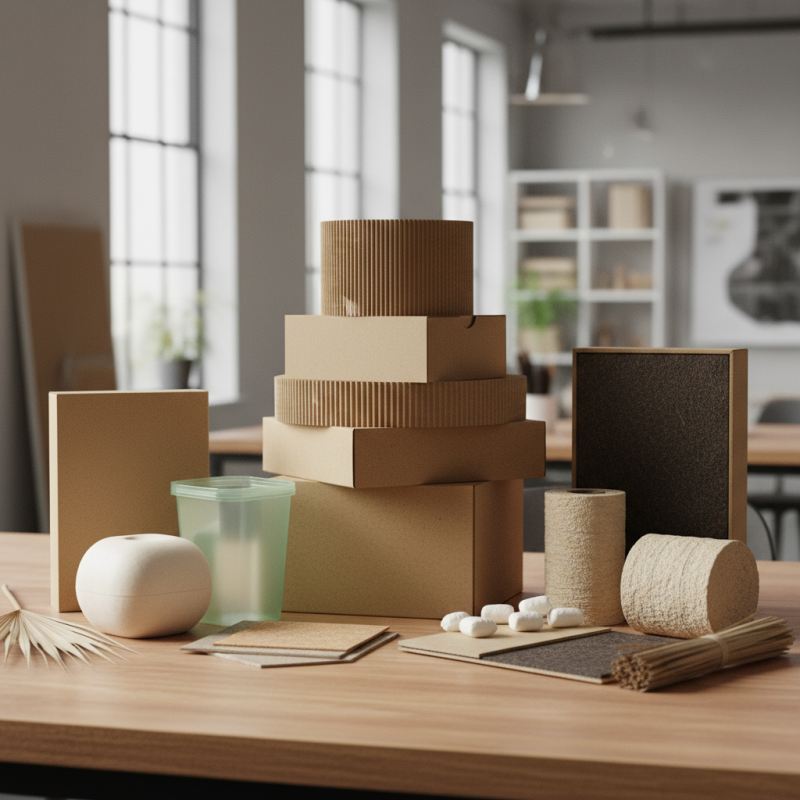
The most widely used material is corrugated cardboard, known for its lightweight yet sturdy characteristics. This type of box material offers excellent protection and insulation, making it ideal for shipping and storing a range of products, from fragile items to heavier goods. Additionally, corrugated cardboard is recyclable, making it a sustainable choice for environmentally conscious businesses.
Another popular option is paperboard, which is typically lighter and thinner than corrugated cardboard. Paperboard boxes are often used for packaging smaller consumer goods, such as cosmetics and food products, thanks to their ability to be printed on easily and their aesthetic appeal. For more heavy-duty requirements, Wooden crates and boxes can be a practical choice, providing robust protection for goods during transportation.
**Tips:** When selecting the material for your packaging, consider the weight and fragility of your items. Also, evaluate the storage conditions and decide if moisture resistance is necessary for your chosen material. Always keep sustainability in mind, as many materials are available in recycled formats, helping to reduce your environmental footprint.
Common Types of Box Materials Used in the Packaging Industry
Key Factors Influencing Box Material Selection for Storage Solutions
When selecting the best box material for storage solutions, several key factors must be considered to ensure optimal performance and durability. One of the most significant factors is the suitability of the material for the intended storage environment.
For instance, materials such as corrugated cardboard are lightweight and cost-effective for dry storage, making them a popular choice for many applications. However, they may not provide adequate protection against moisture or humidity, which can lead to structural weakening or content damage.
In contrast, materials like plastic or metal are better suited for environments where moisture resistance is crucial, offering enhanced durability and protection.
Another important consideration is the weight and fragility of the items being stored. Heavier or fragile items require sturdier materials that can withstand the weight and prevent rupture or breakage, such as reinforced cardboard or heavy-duty plastic.
Additionally, the size and shape of the items influence the choice of material; for instance, custom-sized boxes might necessitate the use of materials that can be easily tailored. Furthermore, sustainability is becoming a priority for many consumers, prompting a trend towards biodegradable or recyclable materials. Therefore, evaluating both the protective qualities and environmental impact of box materials is essential when making an informed decision about packaging and storage solutions.
Environmental Impact and Sustainability of Packaging Materials
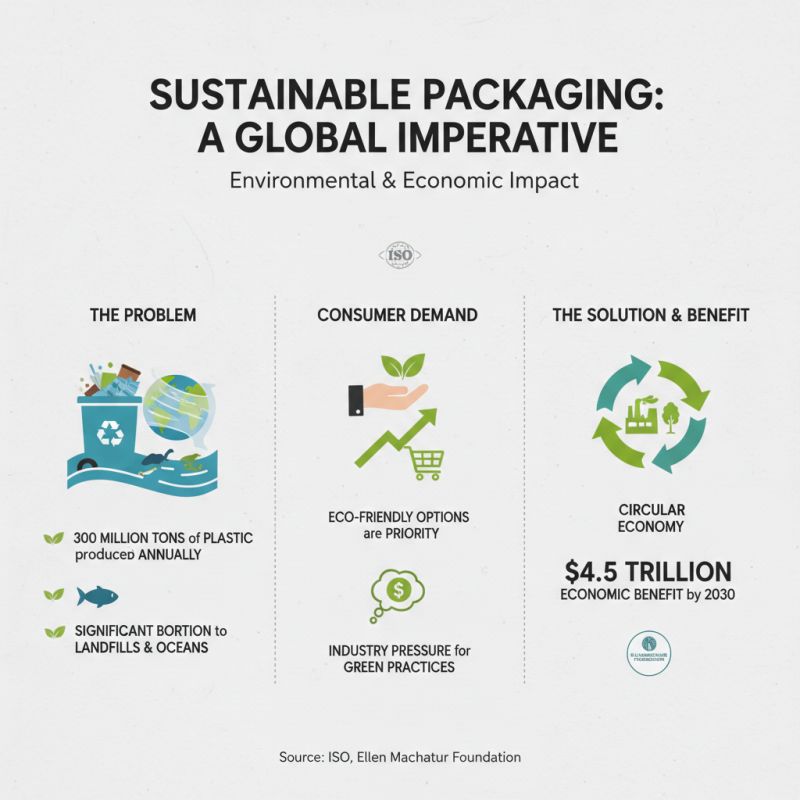
The environmental impact and sustainability of packaging materials have become pressing concerns in today's global market. According to the International Organization for Standardization, around 300 million tons of plastic are produced annually, with a significant portion ending up in landfills and oceans. As consumers increasingly prioritize eco-friendly options, the packaging industry is under pressure to adopt sustainable practices. A recent report from the Ellen MacArthur Foundation indicates that transitioning to a circular economy could yield economic benefits of approximately $4.5 trillion by 2030, highlighting the potential financial advantages of investing in sustainable packaging materials.
Among packaging materials, cardboard and paper stand out for their recyclable qualities and lower carbon footprint compared to conventional plastics. Research by the American Forest & Paper Association shows that over 66% of paper and cardboard is recycled in the U.S., significantly contributing to resource conservation. In contrast, plastics are often not recycled, with only 9% of plastic waste recycled globally, as reported by the United Nations Environment Programme. This stark difference underscores the importance of choosing materials that not only reduce environmental harm but also promote sustainability and resource efficiency in packaging and storage solutions.
Cost-Effectiveness and Performance Analysis of Various Box Materials
When evaluating box materials for packaging and storage solutions, cost-effectiveness and performance are critical factors that influence decision-making. Different materials, such as cardboard, plastic, and metal, each offer unique advantages and drawbacks. Cardboard is often favored for its low cost and ease of production, making it a popular choice for businesses looking to minimize expenses. Its lightweight nature and biodegradability also make it an environmentally friendly option, although it may not be suitable for products requiring higher durability or moisture resistance.
On the other hand, plastic boxes provide superior moisture protection and structural integrity. While the initial investment may be higher compared to cardboard, the long-term durability and reusability of plastic can lead to significant savings over time. Additionally, metal containers, though generally more expensive, are ideal for applications demanding maximum strength and protection from external elements. The choice of material ultimately hinges on specific storage needs, balancing upfront costs with the expected benefits and performance longevity of each option.
What is the Best Box Material for Packaging and Storage Solutions - Cost-Effectiveness and Performance Analysis of Various Box Materials
| Box Material |
Cost per Unit ($) |
Durability (Weight Capacity in lbs) |
Eco-Friendliness (Rating 1-5) |
Moisture Resistance (Rating 1-5) |
Suitability for Storage (Rating 1-5) |
| Cardboard |
0.50 |
30 |
4 |
3 |
5 |
| Plastic |
0.75 |
50 |
3 |
4 |
4 |
| Wood |
2.00 |
100 |
5 |
5 |
3 |
| Metal |
3.50 |
200 |
4 |
5 |
4 |
| Bamboo |
1.50 |
40 |
5 |
4 |
5 |