Best Barrier Bags for Food Storage and Preservation?
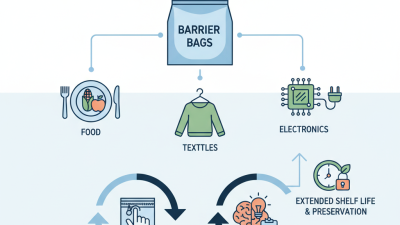
The quest for effective food storage and preservation often points to barrier bags. These specialized bags help extend the shelf life of various foods, offering a practical solution for keeping flavors intact. As industry expert Dr. Sarah Thompson notes, “Barrier Bags are essential for maintaining freshness and preventing spoilage.” Her insight highlights the importance of selecting the right materials for effective storage.
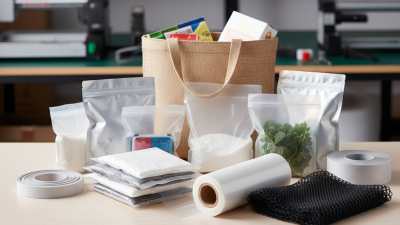
Barrier bags are designed to prevent moisture, oxygen, and light from compromising the food inside. They come in various sizes and thicknesses, catering to different needs. Imagine placing your favorite snacks or leftovers in these bags, knowing that they remain secure and fresh for longer. Yet, not every barrier bag is created equal. Some may offer more protection than others, and quality should always be a consideration.
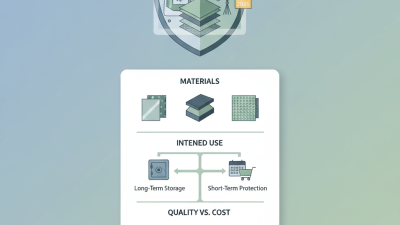
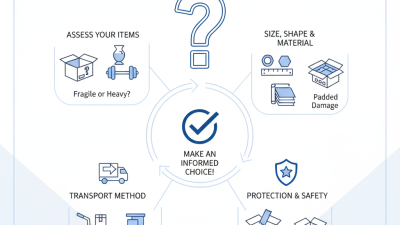
Choosing the best barrier bags can be challenging. There are factors to consider, like material type and seal strength. Some users have witnessed leaks or tears, which can lead to waste and frustration. Testing various options may be necessary to find what works best for your specific needs. The journey to perfect food storage is ongoing, and evaluating options thoughtfully can lead to better results.

Types of Barrier Bags for Food Storage: An Overview
When it comes to preserving food, barrier bags stand out for their effectiveness. These bags come in various types, each suited for different needs.
Vacuum-sealed bags are a popular choice for their ability to remove air, which prevents oxidation. They work well for meats, cheeses, and even vegetables. However, not all foods are suitable for vacuum sealing; delicate fruits may get crushed.
Another option is aluminum foil bags. These bags provide a high barrier against moisture and light, helping maintain freshness. They are ideal for long-term storage of dry goods like grains and nuts. Yet, they can be a bit cumbersome. Sizing can also be an issue, as finding the right fit for larger food items may require some effort.
Lastly, consider mylar bags. These multi-layer bags combine several materials for enhanced protection. They are excellent for bulk storage but often need an oxygen absorber to complete the preservation process. It’s worth noting that while barrier bags are great, improper sealing or storage can lead to spoilage. Reflecting on these factors can help in making informed choices.
Key Features of Effective Barrier Bags for Food Preservation
When looking for barrier bags for food storage, it's crucial to focus on key features. Effective bags should provide a strong seal. This prevents air from entering. Air exposure can cause spoilage. Choosing bags with airtight seals is essential for long-term preservation.
Another important aspect is puncture resistance. Bags made from durable materials will withstand rough handling. They should not tear easily when filled. Flexible, thick plastic can help maintain integrity. Additionally, some bags are designed to be moisture-proof. This is vital for keeping foods like grains fresh.
Color-coded or transparent designs can aid in organization. You can quickly identify contents without opening the bag. However, over-reliance on visual cues might mislead you about freshness. Sometimes, what's inside may still be bad, even if it looks fine. Always check for signs of spoilage before use.
Advantages of Using Barrier Bags over Conventional Storage Methods
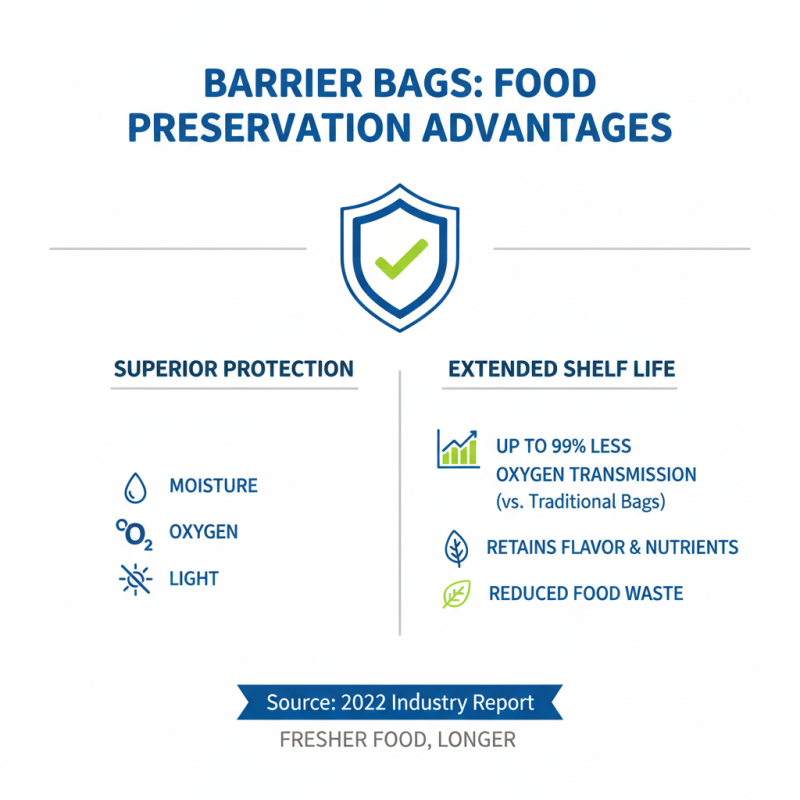
Barrier bags offer significant advantages over traditional food storage methods. They provide superior protection against moisture, oxygen, and light, essential factors in preserving food quality. According to a 2022 industry report, barrier bags reduce transmission of oxygen by up to 99%, significantly extending the shelf life of perishable goods. This helps retain flavors, nutrients, and overall freshness, a crucial element for consumers and businesses alike.
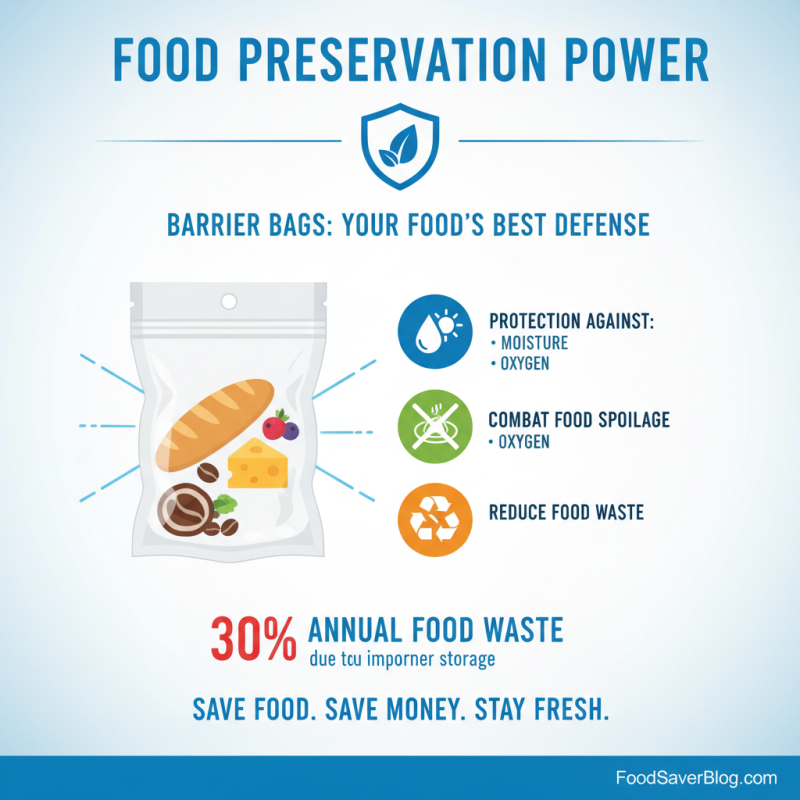
Moreover, barrier bags are often made from recyclable materials, which appeals to the environmentally conscious. A study from the Environmental Protection Agency found that over 30% of food waste occurs due to improper storage. This waste can be reduced by utilizing proper barrier bags. Observing the limitations of conventional storage methods, many consumers note the lack of airtight seals in common packaging, leading to spoiled food and economic loss.
However, the transition to barrier bags is not without its challenges. Consumers may need to adapt their storage habits to utilize these bags effectively. Awareness and education on the different types of barrier bags are critical. Misconceptions about their use or effectiveness can lead to underwhelming results. These factors highlight the need for continuous improvement and consumer education in food preservation practices.
Best Practices for Utilizing Barrier Bags in Food Storage
Barrier bags are essential for food storage and preservation. They offer superior protection against moisture, light, and oxygen. According to industry reports, improper storage can lead to food spoilage, resulting in approximately 30% of food waste annually. This staggering statistic highlights the need for effective storage solutions.
When using barrier bags, it's important to ensure a complete seal. A vacuum-sealed barrier bag can extend the shelf life of food products significantly. For example, dried fruits can last up to one year longer when sealed properly. Make sure to use the right bag thickness for your specific needs. Thicker bags often provide better protection against punctures and tears.
**Tips**: Always label your bags with dates and contents. This helps in tracking freshness. Additionally, consider storing bags in a cool, dark space. Heat and light can compromise the effectiveness of the barrier.
Remember, not all foods are suitable for vacuum sealing. Foods with high moisture or oily content can pose challenges. They may not store well in barrier bags. Experimenting with different foods will help refine your process. Be aware of what works best for your preservation needs.
Top Brands and Products for Barrier Bags in Food Preservation
When it comes to food storage, barrier bags are an essential tool. These bags help preserve freshness by preventing air and moisture from damaging the contents. You’ll find a variety of sizes and types, each designed for different storage needs. Some may not seal tightly, leading to leaks or spoilage. It’s important to choose wisely.
Many users recommend considering features like puncture resistance and temperature tolerance. Some barrier bags are designed for specific foods, making them more effective. If a bag feels flimsy, it likely won’t perform well. Keep an eye on the materials used for construction. Poor-quality bags might not last, resulting in wasted food.
Don’t forget to test out several options. Some bags may work better than others depending on what you store. Users often share their experiences with different types, including successes and failures. It’s all about finding what suits your needs best. Pay attention to your mistakes. They can guide you to better choices down the line.
Best Barrier Bags for Food Storage and Preservation
| Bag Type |
Size |
Thickness (mil) |
Oxygen Barrier Level |
Best For |
| Stand-Up Pouch |
8x12 inches |
4 mil |
High Barrier |
Coffee, Snacks |
| Flat Pouch |
6x9 inches |
3 mil |
Moderate Barrier |
Dried Fruits, Nuts |
| Zip Lock Bag |
10x14 inches |
2 mil |
Low Barrier |
Sandwiches, Vegetables |
| Vacuum Seal Bag |
11x16 inches |
5 mil |
High Barrier |
Meats, Cheeses |
| Mylar Bag |
12x18 inches |
7 mil |
Very High Barrier |
Long-Term Storage |