What Are the Benefits of Using Liquid Bags for Shipping?
Liquid Bags have transformed the shipping industry by offering a flexible and reliable solution for transporting liquids. According to industry expert Dr. Emily Carter, “Liquid bags ensure safety and efficiency in shipping, which is crucial for businesses.” This innovation has become essential for various sectors, including food, chemicals, and pharmaceuticals.
The advantages of using liquid bags are not just theoretical. They are practical, delivering measurable results. Liquid Bags are designed to minimize the risk of spillage and contamination, providing a safe option for sensitive materials. Their lightweight nature reduces shipping costs without compromising quality. Moreover, these bags can minimize storage space, allowing companies to optimize their logistics.
Yet, this technology is not without its challenges. Companies must ensure proper handling and compatibility of materials to prevent issues. Awareness and training are critical to avoid mistakes. As the industry evolves, understanding the full potential of Liquid Bags will be key to maximizing their benefits and addressing any limitations effectively.
Benefits of Liquid Bags in Shipping: An Overview
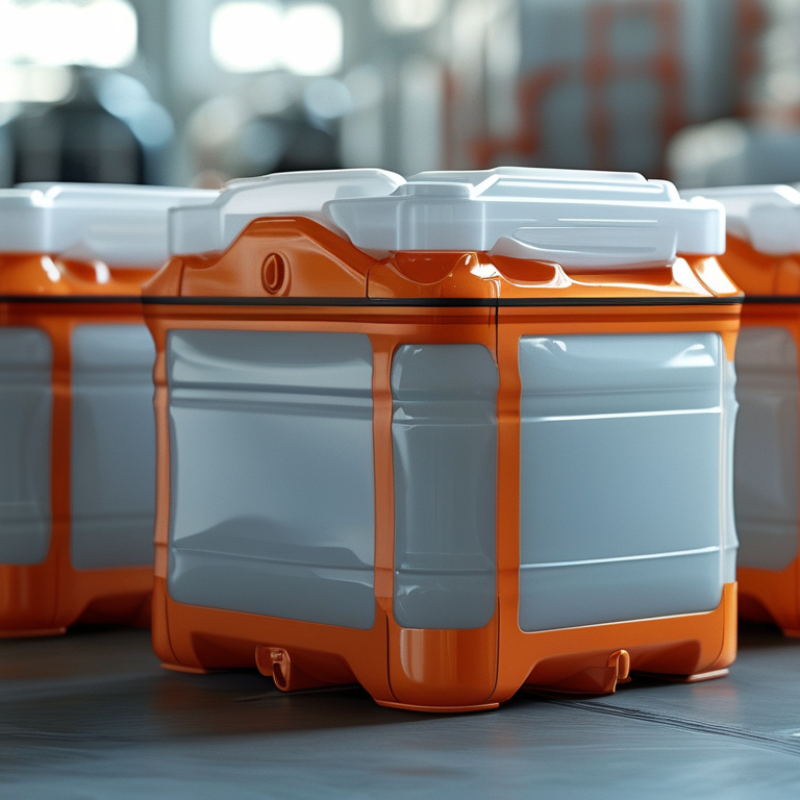
Liquid bags are an innovative solution for shipping a variety of liquids. They are lightweight and flexible, which helps reduce shipping costs. Their design allows easy stacking and storage. This maximizes space in shipping containers. Consequently, businesses can send more products in one shipment.
Additionally, liquid bags come with built-in safety features. They minimize the risk of leaks and spills during transit. This protects both the environment and the integrity of the product. The materials used are often resistant to punctures, adding an extra layer of protection. However, some may question their durability compared to traditional containers.
Despite their benefits, there are challenges to consider. Liquid bags can be sensitive to temperature changes. This can affect product quality. If not stored properly, they may be less reliable for sensitive liquids. Businesses should assess their needs carefully before using liquid bags. They offer many advantages, but careful planning is essential to maximize effectiveness.
Enhanced Protection Against Leakage and Spillage
Liquid bags are becoming an essential tool in shipping, especially for businesses that handle liquids. When it comes to protecting against leakage and spillage, these bags offer significant advantages. According to industry reports, over 15% of liquid shipments experience some form of leakage during transit. This can lead to costly damages and environmental concerns. Liquid bags minimize these risks by creating a sealed environment that prevents spills, thus safeguarding both the product and the reputation of the shipper.
For effective use of liquid bags, consider the following tips: Always inspect bags for punctures before filling them. Ensuring the integrity of the bags is crucial. Additionally, when packaging, make sure to add absorbent materials inside the outer packaging. This precaution helps contain any potential leaks, providing an extra layer of protection during transport.
Using liquid bags provides clarity on the status of shipped items. They are often transparent, allowing easy inspection without opening. However, not all bags are created equal, and investing in higher-quality materials can yield better protection. Research indicates that high-grade liquid bags reduce leakage incidents by up to 30%, showing that quality matters in shipping solutions.
Cost-Effectiveness of Liquid Bags in Transportation
Liquid bags offer significant cost-effectiveness in transportation. They are lightweight and flexible, reducing shipping costs. According to a report by the International Council on Clean Transportation, using liquid bags can cut transportation expenses by up to 30% compared to rigid containers. This is especially beneficial for shipping large volumes of liquids.
In addition, liquid bags reduce warehouse space needs. Their stackable design saves floor space, allowing for more efficient inventory management. A study from the Packaging Association indicates that companies can increase storage efficiency by 40% when switching to liquid bags. However, the initial investment in liquid bags might be a concern for some businesses.
Transitioning to liquid bags is not without challenges. Training staff on handling and filling these bags is essential. There is also a risk of punctures or leaks if not managed properly. A report from the Logistics Research Institute emphasizes the importance of proper handling to mitigate these risks. Despite these drawbacks, the long-term savings and efficiency gains often outweigh the initial hurdles.
Space-Saving Designs for Efficient Packing
Liquid bags for shipping offer a practical solution to packing challenges. Their space-saving designs allow for efficient use of storage. By flattening when empty, they minimize the amount of space needed, whether in a warehouse or during transport. This efficiency can lead to significant cost savings over time.
It's essential to consider the dimensions of your liquid bags. Choose sizes that align with your shipping needs. This prevents wasted space and optimizes your packing process. Additionally, think about the materials used. A lightweight yet durable option can improve your shipping efficiency.
Tips: Always test your liquid bags before full-scale use. Not every design fits every product. Conduct stress tests to determine their reliability. Monitor the packing process to identify any inefficiencies. Regular adjustments can improve outcomes. Reflection on your shipping practices can also lead to better solutions.
Versatility Across Various Industries and Applications
Liquid bags are revolutionizing shipping across diverse industries. These bags offer a flexible solution for transporting bulk liquids, reducing the risks associated with leaks and spills. According to a report by Transparency Market Research, the global liquid packaging market is expected to reach $600 billion by 2025, highlighting the growing demand for secure and efficient packaging methods.
In many sectors, including food and beverage and chemicals, liquid bags provide unmatched versatility. For instance, they can be tailored to meet specific requirements, such as temperature control and contamination prevention. A study by Smithers Pira indicates that flexible packaging is anticipated to grow by 4% annually, reflecting a trend towards lightweight and adaptable solutions. However, companies must consider potential challenges, including the need for proper waste management to address environmental concerns.
The adaptability of liquid bags allows them to fit various shipping methods, whether by air, land, or sea. Yet, a drawback exists in the form of bulk packaging. Ensuring that these bags are properly sealed and handled is vital. Mishandling can lead to product loss, which is costly. Companies must invest in staff training to mitigate these risks, emphasizing the importance of reliable shipping practices in an ever-evolving marketplace.
Conclusion
Liquid bags have become an essential solution for shipping due to their numerous benefits. They provide enhanced protection against leakage and spillage, ensuring that liquids are securely contained during transport. This not only preserves the integrity of the product but also minimizes the risk of environmental contamination. Furthermore, liquid bags offer a cost-effective option for transportation, as they often require less packaging material compared to traditional containers.
In addition to their protective qualities, liquid bags feature space-saving designs that allow for more efficient packing, optimizing space in shipping containers. Their versatility across various industries and applications makes them suitable for transporting a wide range of liquids, from food products to chemicals. Finally, liquid bags present a more sustainable choice for shippers, as they can be designed to reduce environmental impact. Overall, the use of liquid bags in shipping proves to be a smart and efficient alternative for businesses looking to enhance their shipping processes.