Bag In Box Packaging has gained immense popularity in recent years. According to a study by Smithers Pira, the global market for flexible packaging is projected to grow to $300 billion by 2025. This growth indicates a significant shift towards efficient and sustainable packaging solutions.
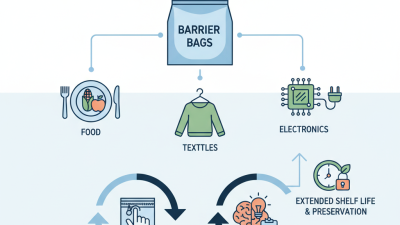
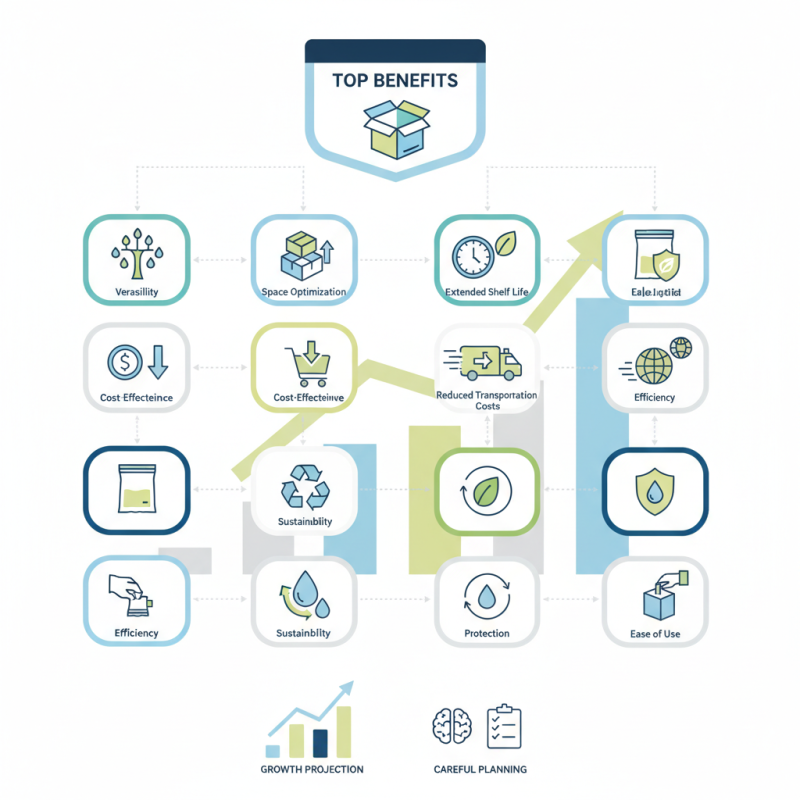
One key benefit of Bag In Box Packaging is its versatility. It is suitable for a variety of liquids and semi-liquids. This packaging format optimizes space, making it easier for manufacturers and consumers. Additionally, the packaging helps in extending shelf life by minimizing oxygen exposure. However, it is important to note that not all products may thrive in a Bag In Box environment.
Another advantage lies in cost-effectiveness. Bag In Box systems reduce transportation costs and waste. A report from Technology Catalysts International shows that companies can save up to 15% on shipping. Yet, transitioning to this type of packaging requires careful planning. Businesses must evaluate their product compatibility and consider logistics. While Bag In Box Packaging presents numerous benefits, it also calls for thoughtful implementation.
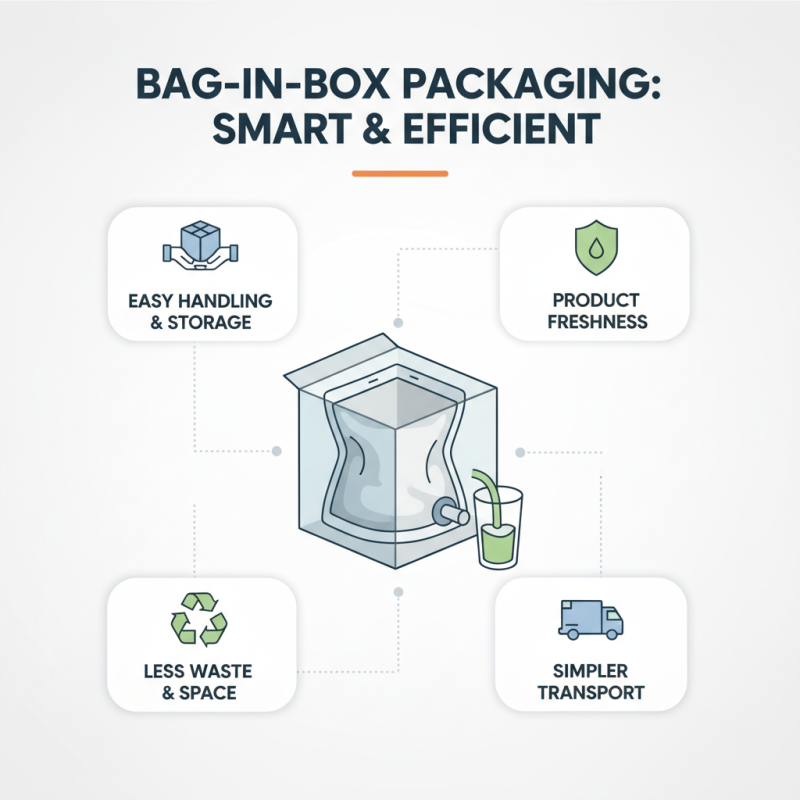
Bag In Box (BIB) packaging is gaining popularity among various industries. This system consists of a flexible bag housed within a sturdy box. The bag is typically made from multi-layer materials, which ensure product freshness and prevent contamination. The outer box provides structural integrity, making it easy to store and transport. This design is ideal for liquids like wine, sauces, or juices.
One tip for using Bag In Box is to ensure the bag is completely emptied after each use. Residual product can lead to spoilage and affect overall quality. Consider installing a built-in dispensing system to make pouring easier and reduce waste. Another aspect is the importance of labeling. Clear labels help consumers understand product contents while enhancing product visibility.
Many companies have embraced Bag In Box for its eco-friendliness. The reduced material usage and recyclability make it a sustainable choice. However, not all products are suitable for this type of packaging. Reflect on product compatibility to avoid poor consumer experiences. Testing different prototypes can lead to better results and customer satisfaction.
| Benefit | Description | Environmental Impact | Cost Efficiency |
|---|---|---|---|
| Space Saving | Compact design optimizes storage space during transport and in retail. | Reduces carbon footprint from transportation. | Lower shipping costs due to efficient use of space. |
| Long Shelf Life | Keeps products fresh with minimal exposure to air. | Less waste due to spoilage. | Reduces losses from expired products. |
| User-Friendly | Easy to dispense and pour, enhancing consumer experience. | Encourages recycling and sustainability practices. | Fewer complaints and returns improve profitability. |
| Versatility | Suitable for various liquids and products. | Encourages the use of eco-friendly materials. | Flexible enough to fit different marketing needs. |
| Cost-effective | Lower packaging and material costs. | Encourages sustainable packaging practices. | Overall reduction in production costs. |
| Reduced Waste | Minimizes packaging waste with efficient design. | Promotes recycling and reusability. | Lower disposal costs for businesses. |
| Secure Transport | Reduced risk of leaks and spills during shipping. | Fewer environmental incidents related to spills. | Avoid costly shipping damages. |
| Customizable | Easily adaptable designs for branding purposes. | Contributes to unique, eco-friendly branding. | Enhances marketing and differentiation. |
| Enhanced Safety | Minimizes risk of contamination through a sealed system. | Reduces risks to both consumers and waste management. | Lowers liability costs associated with safety incidents. |
| Visual Appeal | Modern look enhances product display. | Supports market trends towards sustainable design. | Increases sales and attracts eco-conscious consumers. |

Bag in box packaging offers significant cost-effectiveness for businesses. It reduces material costs by using less packaging material compared to traditional containers. A box with a flexible bag inside minimizes waste. Companies can save money on shipping too. The lightweight design helps cut down on transportation costs. Every penny counts in the long run.
Another benefit is storage efficiency. Bag in box packaging allows for easy stacking. Businesses can optimize warehouse space. Fewer pallets are needed, which means lower storage expenses. However, some companies face challenges in adapting to this type of packaging. It may require rethinking existing processes. Transitioning to bag in box can be overwhelming, and not every product fits perfectly. Businesses must evaluate their needs carefully.
Moreover, this packaging type can enhance product longevity. It reduces oxidation, keeping contents fresher. Yet, achieving the right balance between durability and cost is crucial. Some might find that initial investments are higher. Proper training for staff is essential to ensure the transition is seamless. Investing time in adjustments can lead to long-term savings.
Bag in box (BIB) packaging offers remarkable benefits when it comes to preserving product quality. This solution extends shelf life significantly, making it ideal for liquids like juices and wines. According to industry reports, BIB can reduce oxygen exposure by up to 99%. This is crucial for maintaining flavor and nutritional value. Once opened, products stay fresh for weeks, unlike traditional bottling methods.
The design of BIB systems minimizes contamination. The bag collapses as the product is dispensed, limiting air contact. Furthermore, a study highlighted that products stored in BIB retained 60% more freshness after six months compared to other packaging. This is vital for manufacturers who prioritize quality and longevity. Cost-effectiveness is another aspect, yet some producers may overlook the upfront investment in better materials. Reflecting on the choice of packaging can reveal missed opportunities for preserving product integrity.
BIB solutions also cater to sustainability concerns. Using fewer materials and optimizing transport reduces carbon footprint. However, not all BIB systems are created equal. Some may still rely on non-recyclable components, which is a point for reconsideration. Embracing innovation while maintaining quality can lead to better end-user experiences. Proper implementation is essential to fully enjoy these benefits.
Bag in Box (BIB) packaging has gained attention for its sustainability benefits. This method typically uses less material compared to traditional packaging. For instance, it can reduce packaging waste by up to 30%. The design maximizes the use of space, which minimizes transportation emissions. According to a recent report from the Flexible Packaging Association, BIB reduces carbon footprint significantly.
Another notable aspect is the recyclability of BIB materials. Many bags are made from recyclable plastics. Moreover, the cardboard box is easily recyclable. This creates a circular economy model. Yet, challenges remain in consumer awareness regarding proper recycling practices. Many consumers are still unsure about recycling BIB packaging correctly. This gap hints at a need for better education in the market.
BIB packaging also extends product shelf life. This can lead to less food waste at the consumer level. According to the Food Waste Reduction Alliance, improper packaging is a significant contributor to food waste. If more brands adopt this packaging, we could see a reduction in waste. However, this perfect scenario requires cooperation among manufacturers, retailers, and consumers.
Bag In Box packaging offers remarkable convenience in product handling and storage. This design features a flexible bag inside a sturdy box. Such a setup minimizes the risk of product spoilage. The bag collapses as it empties, reducing waste and space. This makes transportation simpler and more efficient.
Versatility is another key aspect. Bag In Box packaging can cater to various industries. From beverages to sauces, it fits different product types. It easily adapts to diverse storage environments, whether at home or in a retail space. Some might overlook how this packaging type optimizes shelf life. However, it's important to note that not all setups achieve this equally.
The handling of Bag In Box products is often easier than traditional options. The lightweight design allows for effortless movement. Users can pour or dispense without hassle. But, issues can arise if the bag is not sealed properly. This can lead to leaks. It's essential to ensure quality in the production process. Overall, Bag In Box is practical yet requires attention to detail.