2026 Top Packaging Distributor Trends and Innovations to Watch?
In the rapidly evolving landscape of packaging, 2026 promises to be a pivotal year for the Packaging Distributor industry. Experts predict significant shifts driven by innovation and changing consumer demands. Jane Holloway, a recognized authority in packaging solutions, emphasizes, “Understanding trends is vital for any Packaging Distributor aiming to thrive.” Her insights highlight the need for adaptability in this competitive arena.
As sustainability gains momentum, many distributors will explore eco-friendly materials and processes. Innovations such as smart packaging technology are expected to enhance product tracking and consumer engagement. Yet, not every initiative may succeed; some may overlook essential market insights.
Surprisingly, many Packaging Distributors still cling to outdated methods. This reluctance can stifle growth. Embracing change will be crucial for those wanting to maintain relevance. The trends to watch in 2026 will not only reflect technological advances but also the necessity of deep market understanding and customer connection.
Emerging Technologies Shaping the Future of Packaging Distribution
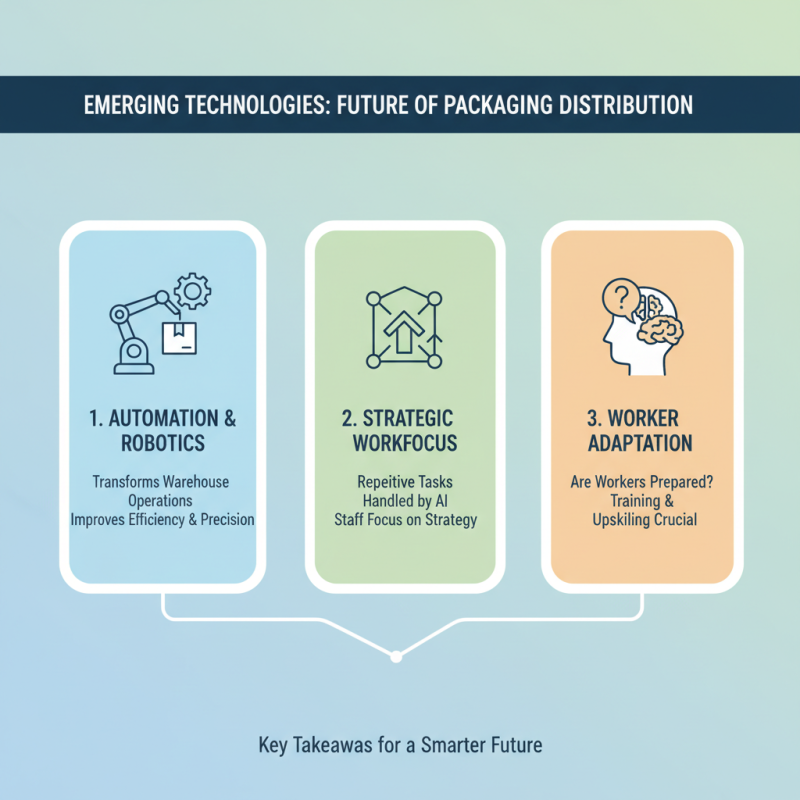
In the rapidly evolving field of packaging distribution, emerging technologies are playing a critical role. Automation tools are transforming warehouse operations. They improve efficiency and reduce human error. Robotics can handle repetitive tasks with precision, allowing staff to focus on strategic roles. This transition raises the question: are workers fully prepared to adapt to these changes?
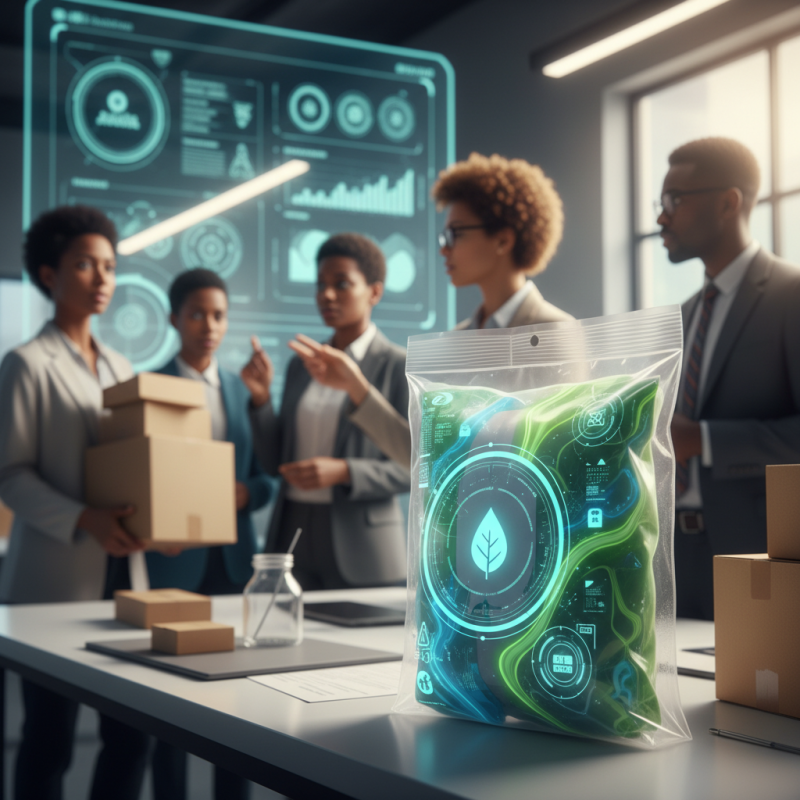
Sustainability is also a driving force behind innovations. Biodegradable materials and smart packaging solutions are becoming more popular. These options resonate with environmentally conscious consumers. However, the challenge remains in balancing cost-effectiveness with sustainability. Many companies are still navigating the complexities of implementing eco-friendly practices. As they do, the industry must reflect on the true impact of these decisions. Innovations should not come at the expense of quality or service. This dual demand requires thoughtful consideration from all stakeholders.
Sustainability Trends Driving Innovations in Packaging Solutions
Sustainability is reshaping the packaging industry in 2026. As consumers demand eco-friendly products, companies are rethinking their packaging solutions. A significant 57% of consumers are willing to pay more for sustainable packaging, according to recent industry reports. This shift motivates brands to explore materials that reduce environmental impact.
Innovations such as biodegradable plastics and reusable containers are on the rise. Bioplastics, derived from renewable sources, now account for about 10% of global plastic production. Companies are experimenting with these materials, but challenges remain. Not all bioplastics decompose effectively in every environment, raising questions about their true sustainability.
Moreover, the need for better recycling processes is critical. Currently, only 9% of plastic waste is recycled into new products. This statistic highlights a flaw in the circular economy. As companies invest in advanced recycling technologies, the hope is to improve these numbers. Sustainability is not just a trend; it’s a necessary evolution for future packaging solutions.
2026 Top Packaging Distributor Trends and Innovations
Impact of E-commerce Growth on Packaging Distribution Strategies
The surge in e-commerce has significantly reshaped packaging distribution strategies. According to a recent report by McKinsey, online sales are projected to increase by 49% globally by 2026. As more consumers shop online, businesses must adapt their packaging to enhance efficiency and user experience. Quick delivery options necessitate innovative packaging solutions that protect products while minimizing material waste.
Sustainable practices are crucial in this evolving landscape. A study by Smithers Pira indicates that 74% of consumers prefer eco-friendly packaging. This preference pushes distributors to explore biodegradable and recyclable materials. Moreover, brands face pressure to reduce packaging sizes, which can pose challenges. Striking a balance between protection and sustainability is not easy.
**Tip:** Incorporate digital solutions like tracking technology. This can help manage inventory and improve customer satisfaction. Adaptation is essential, but it requires careful planning. E-commerce mandates a review of existing packaging approaches continuously. Constant reflection on these methods will ensure brands remain relevant in the market.
2026 Top Packaging Distributor Trends and Innovations to Watch
| Trend/Innovation |
Description |
Impact on E-commerce |
Percentage Adoption by 2026 |
| Sustainable Materials |
Use of biodegradable and recyclable materials in packaging. |
Reduces environmental impact and attracts eco-conscious consumers. |
72% |
| Smart Packaging |
Integration of technology for tracking and consumer engagement. |
Enhances user experience and provides real-time data for logistics. |
65% |
| Personalized Packaging |
Customization of packaging based on consumer preferences. |
Creates a unique brand experience, increasing customer loyalty. |
58% |
| Lightweight Packaging |
Reducing packaging weight to lower shipping costs. |
Minimizes logistics costs and improves sustainability. |
70% |
| Automated Packaging Solutions |
Implementation of automated systems for packing efficiency. |
Increases productivity and reduces labor costs. |
55% |
Key Consumer Preferences Influencing Packaging Design and Functionality
Consumer preferences are reshaping packaging design rapidly. In 2026, sustainability will be more than a trend; it’s a necessity. Many consumers prioritize eco-friendly materials. Brands must innovate to attract this environmentally conscious audience. This shift means reducing plastic usage and embracing biodegradable options.
Thinking of ways to meet these demands? Consider incorporating minimalist designs. Simplicity can attract attention. It helps consumers connect with brands that share their values. Clear labeling is also vital. Customers want to know what they are buying. Transparency builds trust, making them more likely to choose your product.
Another important aspect is functionality. Ease of use can make a significant difference. Packaging should enhance the consumer experience. Think of resealable bags or easy-pour openings. These features can lead to repeat purchases. Brands should focus on how their packaging meets everyday needs. Strive for designs that are not only attractive but also practical. This approach reflects an understanding of consumer habits and preferences.
The Role of Automation in Streamlining Packaging Distribution Processes
In 2026, the packaging distribution industry will rely heavily on automation to enhance efficiency. Automation streamlines operations, reducing manual errors while boosting productivity. According to a recent report by Smithers, the global packaging automation market is projected to reach $25 billion by 2026, reflecting a growing trend among distributors.
Robots and automated systems can manage repetitive tasks quickly and accurately. This advancement minimizes labor costs and speeds up delivery times. A survey from Logistics Management indicated that 65% of companies are investing in automation to improve their packaging processes. However, integrating these technologies can be challenging. Companies may face initial costs and a learning curve that could hinder immediate ROI.
While automation offers clear benefits, it also raises questions about workforce impact. Distributors must balance technology with skilled labor. A poorly managed transition can lead to decreased morale and efficiency. Observing how diverse businesses tackle these changes will provide valuable insights into best practices and potential pitfalls in the industry.