2026 Top Container For Packing Innovations What You Need to Know?
In the rapidly evolving world of logistics, the significance of choosing the right "Container For Packing" cannot be overstated. The global packaging market is projected to reach $600 billion by 2026, with innovations driving efficiency and sustainability. With rising consumer expectations, packaging must not only protect products but also enhance their appeal. Emerging trends show that eco-friendly materials will dominate, as 73% of consumers prefer sustainable options.
Moreover, advanced technologies like IoT-enabled containers are reshaping the industry. These smart containers can monitor conditions in real-time, reducing spoilage and improving supply chain transparency. Yet, challenges remain. Many companies struggle with the integration of these new solutions, raising questions about cost and complexity.
The push for innovation in container design is essential for meeting the demands of a changing market. Adopting new strategies requires foresight and adaptability. Industry reports highlight the need for businesses to reflect on their current practices to stay competitive. It's clear that a strategic approach to "Container For Packing" will be key in navigating this transformative period.

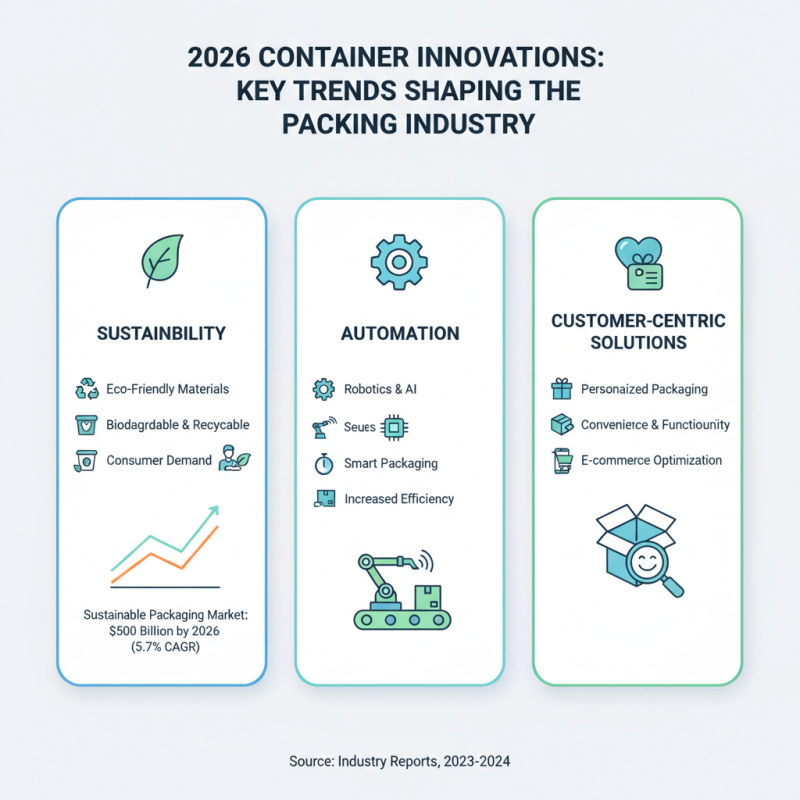
2026 Container Innovations: Key Trends Shaping the Packing Industry
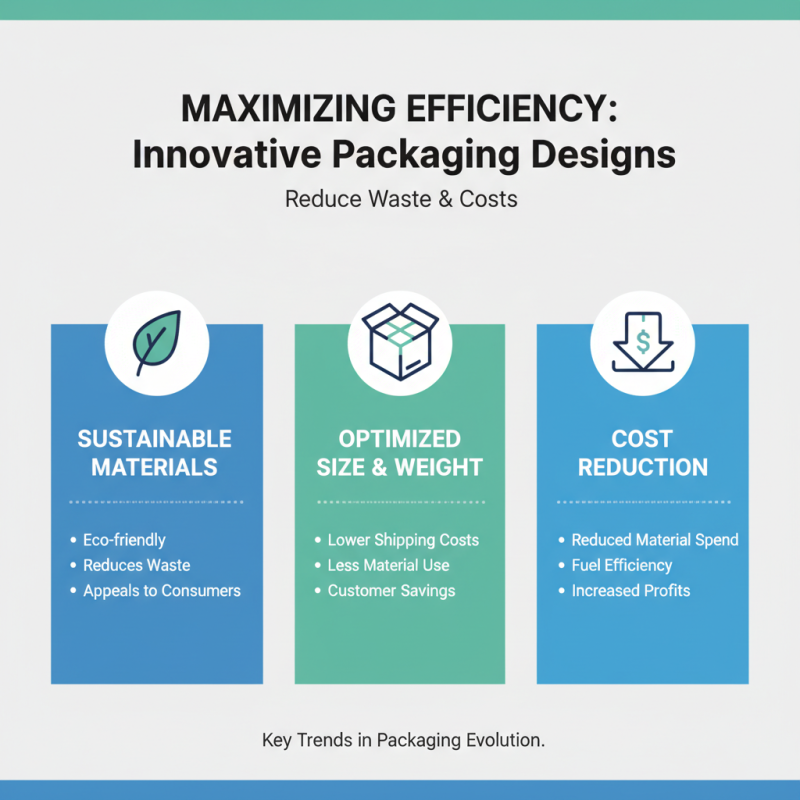
The packaging industry is undergoing significant transformations, driven by sustainability, automation, and customer-centric solutions. According to recent industry reports, the global sustainable packaging market is projected to reach $500 billion by 2026, with a CAGR of 5.7%. This trend emphasizes the urgent need for eco-friendly materials and designs. Biodegradable and recyclable packaging options are becoming essential as consumers demand brands that prioritize environmental responsibility.
Automation is also impacting container innovations. Technologies like AI and robotics are streamlining production. Automated systems can ensure consistent quality and faster turnaround times. Statistics show that automation can increase efficiency by up to 30% in packaging operations. However, this shift does raise questions about labor displacement and the need for retraining.
Furthermore, customization plays a pivotal role in shaping consumer preferences. Data suggests that 70% of shoppers are willing to pay more for personalized packaging. This reflects a deeper trend where consumers seek brands that resonate with their values. Balancing practicality with personalized experiences is now a challenge in the industry, highlighting a shift towards tailored solutions that still meet rigorous efficiency standards.
Sustainability in Packing: Eco-Friendly Materials Leading the Way
Sustainability is transforming the packaging industry. Eco-friendly materials are becoming essential. Companies are shifting to biodegradable options, which helps reduce waste and promotes environmental health.
Innovations include recycled plastics and plant-based materials. These materials can break down naturally and minimize harm to our planet. However, not all options perform equally, as some biodegradable products may not decompose as advertised.
Consumer awareness is also growing. People are more conscious of their choices and prefer products that support sustainability. Yet, challenges remain. Manufacturers must balance cost, performance, and eco-friendliness. This is a complex equation. The future of packaging lies in making sustainable practices effective and reliable.
Smart Packaging Technologies: Integration of IoT and RFID Solutions
Smart packaging technologies are transforming the shipping and logistics landscape. The integration of the Internet of Things (IoT) and Radio-Frequency Identification (RFID) is leading this change. These technologies enable enhanced tracking of goods in real-time. This allows businesses to monitor conditions like temperature and humidity during transport, which is crucial for perishable items.
RFID tags provide unique identifiers for each package, enhancing inventory management. However, using these solutions isn't without challenges. Companies may face issues with compatibility between devices. Costs related to implementation can also be a barrier. It’s essential to weigh the benefits against these potential drawbacks.
Data security is another concern when implementing IoT solutions. Protecting sensitive information is critical. Businesses must develop strategies to mitigate risks while benefiting from technological advancements. As smart packaging evolves, staying informed about these innovations will be vital for success. Embracing change effectively could reshape the future of logistics.
2026 Top Container For Packing Innovations What You Need to Know?
| Innovation Type |
Description |
Key Feature |
Market Impact |
| Smart Packaging |
Integration of IoT and RFID for real-time tracking of products. |
Enhanced visibility and traceability. |
Increased efficiency in supply chains. |
| Eco-Friendly Materials |
Use of biodegradable and recyclable materials in packaging. |
Sustainability commitment. |
Attracts environmentally-conscious consumers. |
| Active Packaging |
Packaging that interacts with the product to extend shelf life. |
Oxygen scavenging and moisture control. |
Reduced food waste and spoilage. |
| Digital Printing |
High-quality printing directly onto containers for customization. |
Short run flexibility and quick turnaround. |
Enhanced brand engagement. |
| Modular Packaging |
Flexible packaging designs that can be adapted to different products. |
Versatile and scalable solutions. |
Cost-effective for various product lines. |
Market Insights: Growth Projections and Demand Trends in Container Solutions
The container solutions market is witnessing remarkable growth. According to a recent industry report, the global market is expected to reach $12 billion by 2026. This surge is driven by the increasing demand for sustainable and smart packaging solutions.
Companies are prioritizing eco-friendly materials. Many are exploring biodegradable options to reduce their environmental impact. The trend towards sustainability is not just a buzzword. It reflects a significant shift in consumer preferences. Data shows that over 70% of consumers are more likely to purchase products with sustainable packaging.
Moreover, the rise of e-commerce is reshaping packaging needs. With online shopping booming, efficient packaging is crucial. Reports indicate that 45% of businesses are investing in innovative designs that optimize space and reduce costs. However, challenges remain. Many companies struggle to find a balance between cost and quality. As the market evolves, it is essential for businesses to stay adaptive and prioritize both consumer expectations and environmental responsibility.
2026 Container Packing Innovations: Market Insights