2026 Top Aluminium Bag Benefits and Uses in Daily Life?
In the ever-evolving world of packaging, the Aluminium Bag stands out as a vital player. Industry expert Emma Chen once said, “Aluminium Bags offer versatility and durability that other materials simply cannot match.” This statement highlights their importance in daily life.
Aluminium Bags are not just for commercial use. They feature prominently in our daily routines as well. From keeping snacks fresh to packaging cosmetics, their applications are vast. The lightweight nature of an Aluminium Bag makes it an optimal choice for consumers looking to reduce waste and enhance convenience. However, one must also reflect on the environmental impact of such materials. Are we truly making sustainable choices?
As we explore the benefits and uses of Aluminium Bags, it becomes essential to consider both their advantages and disadvantages. While they protect contents effectively, their recycling process may pose challenges. With growing awareness, the push for more eco-friendly alternatives remains strong. Ultimately, understanding the role of Aluminium Bags helps us navigate our choices in this complex landscape.
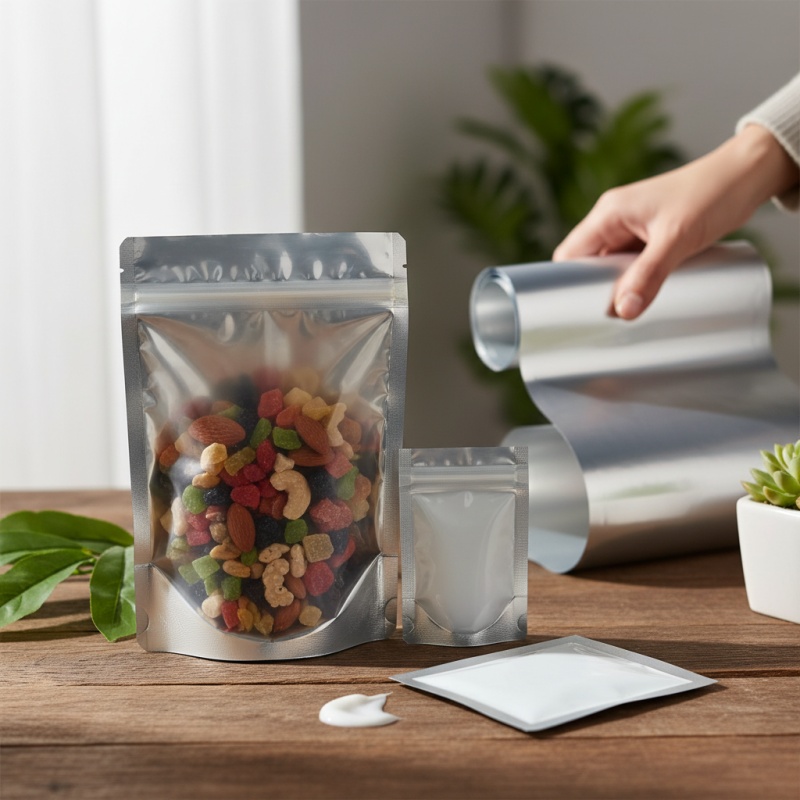
Top Advantages of Using Aluminium Bags in 2026
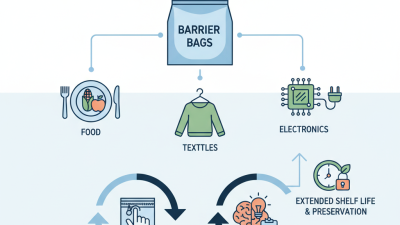
In 2026, aluminum bags stand out due to their numerous advantages in daily life. They are lightweight yet sturdy, which makes them ideal for carrying items. Aluminum bags offer excellent barrier protection against moisture, oxygen, and light. This feature ensures that food and liquids remain fresh for longer periods. For instance, snacks in aluminum bags stay crunchy, which is a big plus for consumers.
Another benefit is their eco-friendliness. Aluminum is recyclable, reducing waste and promoting sustainability. Many people appreciate these bags as a green alternative. However, not all aluminum bags are made equally. Some may not be fully recyclable or might be lined with harmful materials. This inconsistency raises questions about their overall impact on the environment. Consumers are becoming more discerning, seeking transparency in packaging materials.
Usage varies greatly, from food storage to stylish packaging for gifts. Aluminum bags provide a modern look while serving a practical purpose. But it's essential to consider their effectiveness in different settings. In some situations, a traditional material might perform better. Balancing functionality with aesthetics can be a challenge. Overall, aluminum bags continue to gain popularity, prompting discussions about their role in our daily lives.
2026 Top Aluminium Bag Benefits and Uses in Daily Life
| Benefit |
Description |
Common Uses |
| Lightweight |
Aluminium bags are easy to carry and handle due to their low weight. |
Packaging for snacks, travel food. |
| Durability |
Resistant to tearing and puncturing, providing protection for contents. |
Shipping and storage of sensitive items. |
| Barrier Properties |
Offers excellent protection against moisture, light, and gases. |
Food packaging, pharmaceuticals. |
| Recyclability |
100% recyclable, promoting sustainable practices. |
Eco-friendly packaging solutions. |
| Barrier Against Contaminants |
Prevents contamination from external sources. |
Medical supplies, cosmetics. |
Common Uses of Aluminium Bags in Everyday Life
Aluminium bags have become increasingly popular in our daily lives. These versatile bags are used in various applications, enhancing convenience and preserving product integrity. According to a recent industry report, the global aluminium packaging market is expected to reach over $100 billion by 2026, highlighting their widespread use.
One common application is in food packaging. Aluminium bags effectively protect contents from moisture, light, and oxygen. This is crucial for maintaining freshness and extending shelf life. Research shows that products in aluminium bags can remain uncontaminated for longer periods compared to traditional packaging. However, it's vital to consider recycling options, as not all facilities process this material efficiently.
In personal care, aluminium bags contain cosmetics and toiletries. They help keep products stable and secure during transit. A study indicates that convenience-driven consumers prefer packaging that is both lightweight and durable. Yet, the variability in sealing techniques can lead to concerns about leakage. Consumers must be aware of these factors when choosing products in aluminium packaging.
Environmental Impact of Aluminium Bags Compared to Plastic
Aluminium bags have gained popularity for their role in reducing plastic use. They serve as effective alternatives for packaging. One major environmental benefit is their recyclability. Aluminium can be recycled multiple times without losing its quality. This process uses less energy compared to producing new aluminium. It also helps lessen waste in landfills.
Plastic, on the other hand, often takes hundreds of years to decompose. It emits harmful toxins during production and disposal. Many plastic bags end up in oceans, harming marine life. The shift to aluminium bags offers a clearer path toward sustainability. However, aluminium production can still have environmental costs, including emissions. It's crucial to weigh these factors when considering packaging options.
Using aluminium bags is a step forward, but it is not without challenges. Not everyone is aware of proper recycling methods. An increase in aluminium production can also strain natural resources. Awareness and education about these issues are vital. Balancing convenience and sustainability requires continuous effort and reflection.
Environmental Impact of Aluminium Bags Compared to Plastic
Innovations in Aluminium Bag Technology and Design
Aluminium bags are revolutionizing the packaging scene. Their lightweight nature and durability make them ideal for various uses. Recent innovations in aluminium bag technology have led to enhanced sealability and barrier properties. These advancements ensure that products remain fresh and safe from external factors. The sleek design also appeals to consumers, making aluminium bags aesthetically pleasing.
Many applications arise from this technology. Aluminium bags are widely used in food packaging, pharmaceuticals, and even cosmetics. They protect against moisture, light, and oxygen. This versatility meets the demands of modern life. For instance, a small aluminium bag can hold snacks or supplements conveniently. However, it's crucial to consider the environmental impact of increasing aluminium usage.
Tips:
- Opt for recyclable aluminium bags wherever possible.
- Always check for proper disposal options.
- Consider the size that fits your needs to minimize waste.
- Reflect on how often you utilize single-use products; learning from habits can lead to more sustainable choices.
These small actions make a difference in our daily lives.
Future Trends in Aluminium Bag Manufacturing and Sustainability
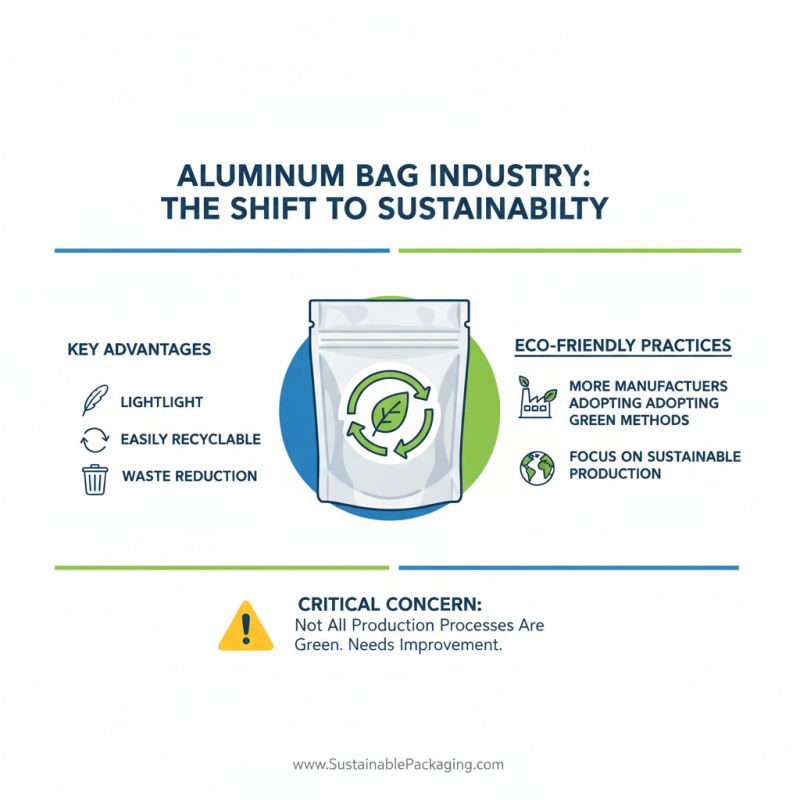
The aluminium bag industry is evolving, focusing on sustainability. More manufacturers are exploring eco-friendly practices. This could significantly reduce waste in packaging. Aluminium bags are lightweight and easily recyclable. However, not all aluminium production processes are green. This is a concern that needs addressing.
Future trends suggest a rise in plant-based aluminium coatings. This technology may minimize the environmental footprint. Also, manufacturers are investing in energy-efficient production methods. Still, the challenges remain. Some facilities still rely on non-renewable energy sources. Progress is slow, and many processes require innovation.
Consumers are becoming more conscious of their choices. As the demand for sustainable products increases, manufacturers face pressure. They must balance cost and environmental responsibility. Companies should focus more on sustainability practices. The future depends on this commitment to improvement.